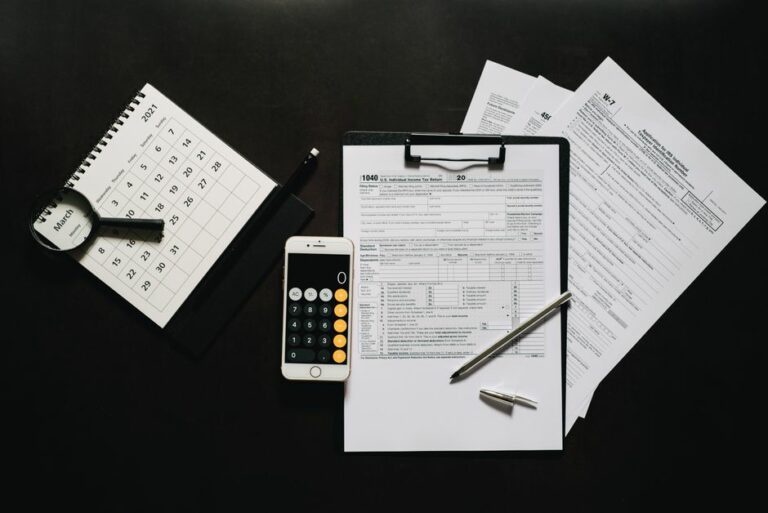
Photo by: Mikhail Nilov via Pexels
TL;DR: Yes, the accountant shortage remains a critical structural crisis across the United States in 2026. Driven by a 25% drop in CPA exam candidates over the past decade, a surge in retirement-age professionals (75% of active CPAs reached retirement eligibility), and stiff competition from high-paying tech and finance roles, accounting firms and corporate departments are struggling to fill staff seats. In response, starting salaries have climbed 15%, state accounting boards are re-evaluating the costly 150-hour requirement, and firms are turning to artificial intelligence to automate transactional workloads.
The global business landscape requires meticulous financial tracking, audit integrity, and tax compliance, yet finding qualified professionals to execute these functions has become a major obstacle. The current deficit is not a temporary hiring slump; it is a fundamental realignment of the professional talent pipeline. Between contracting university accounting enrollments, an aging workforce, and a demanding barrier to entry, the supply of certified public accountants (CPAs) cannot keep pace with expanding regulatory requirements. Understanding the scope of this shortage is essential for any business planning its audit, tax, and corporate governance strategy for 2026 and beyond.
- Why the Accountant Shortage Persists in 2026: AICPA Pipeline Data
- Tax Accountant Shortage: How CPA Scarcity Impacts Corporate Compliance
- Rising Starting Salaries and Recruitment Trends: What Firms Are Paying
- Reddit Stories: The Burnout Loop and the Entry-Level Training Bottleneck
- Opinion: The 150-Hour CPA Requirement is a Self-Inflicted Wound
- AI and Automation as a Force Multiplier, Not a Complete Replacement
- Frequently Asked Questions
Why the Accountant Shortage Persists in 2026: AICPA Pipeline Data
The root cause of the shortage of accountants lies in the steady contraction of new talent entering the pipeline. According to the 2025-2026 AICPA Trends Report, university accounting enrollments contracted by an additional 6.6% over recent academic years, extending a decade-long decline. Concurrently, demographic shifts mean that nearly 75% of AICPA members reached retirement age within the last five years. This dual pressure—fewer graduates entering while senior partners retire—has created an unprecedented talent bottleneck across public practice and industry.

The labor shortage is further compounded by expanding reporting complexities. While candidate volume has shrunk, regulatory burdens have expanded dramatically—specifically around corporate ESG disclosures, cross-border tax compliance, and automated auditing standards. As a result, existing accounting teams are forced to absorb higher client workloads, leading to accelerated professional burnout and mid-career attrition.
Tax Accountant Shortage: How CPA Scarcity Impacts Corporate Compliance
While audit departments feel the pinch, the tax accountant shortage has produced immediate friction for businesses of all sizes. Specialized tax professionals are in acute short supply, particularly during peak filing windows. Small to mid-sized accounting firms are routinely turning away prospective corporate tax clients or turning to forced filing extensions due to sheer capacity constraints.
The consequences of this tax talent deficit include:
- Delayed Tax Returns & Audits: Corporations face increased risks of late-filing penalties due to tax firm backlogs.
- Higher Billing Rates: Accounting firms have raised hourly tax preparation and compliance fees by 15% to 20% to cover premium staff compensation.
- Offshoring & Outsourcing: US firms are increasingly leveraging offshore preparation teams in India and the Philippines for preliminary tax work under US partner supervision.
Rising Starting Salaries and Recruitment Trends: What Firms Are Paying
To attract top analytical talent away from competing tech, consulting, and finance roles, public accounting firms are aggressively restructuring compensation packages. Starting base pay for entry-level staff accountants has risen by approximately 15% nationwide since 2024, accompanied by signing bonuses, tuition reimbursement programs, and accelerated promotion tracks.
| Role / Experience Level | 2026 Salary Range (National Avg) | Major Metro Market Avg | Key Recruitment Incentives |
|---|---|---|---|
| Entry-Level Staff Accountant (0-2 yrs) | $68,000 – $76,000 | $80,000 – $88,000 | CPA exam cost coverage & sign-on bonus |
| Senior Tax / Audit Associate (3-5 yrs) | $92,000 – $115,000 | $118,000 – $135,000 | Hybrid work flexibility & retention bonuses |
| Accounting Manager (6-8 yrs) | $125,000 – $155,000 | $160,000 – $190,000 | Equity participation & profit-share bonuses |
For insights on long-term compensation trajectories and how professionals navigate high-earning milestones, explore our in-depth analysis on how to make 100k as an accountant and evaluating whether a CPA can make $300k per year.
Reddit Stories: The Burnout Loop and the Entry-Level Training Bottleneck
Community discussions across r/Accounting highlight a persistent structural dilemma: busy-season burnout driving experienced senior associates out of public practice, combined with a bottleneck in training incoming entry-level staff. As one senior associate noted on Reddit: “We are short-staffed, so seniors spend 80 hours a week in audit season just keeping our heads above water. That leaves almost no bandwidth to train first-year associates properly.”
This dynamic creates a feedback loop. Experienced accountants exit for corporate industry roles offering better work-life balance, leaving firms reliant on junior staff who feel under-trained and overwhelmed. Breaking this cycle requires firms to invest in structured onboarding frameworks and modern management approaches.
Opinion: The 150-Hour CPA Requirement is a Self-Inflicted Wound
The talent pipeline crisis is real, and the accounting profession largely created it. The mandatory 150-credit-hour CPA requirement was originally designed to raise educational prestige. In practice, it imposed a fifth year of university tuition—costing students an extra $20,000 to $40,000 in tuition plus lost opportunity wages—for entry-level starting salaries that historically lagged behind tech and finance alternatives.

2026 State CPA Licensing Reforms & 150-Hour Alternatives
In response to persistent pipeline contraction, state accountancy boards and national organizations are taking action in 2026. The National Pipeline Advisory Group (NPAG) and AICPA have advanced proposals to allow a 120-hour bachelor’s degree combined with two years of verified professional work experience as an alternative pathway to full CPA licensure. Key state developments include:
- State Legislative Bills: States like Minnesota, South Carolina, and Ohio have introduced legislation creating alternative experience-based licensing pathways to eliminate the mandatory 5th-year academic burden.
- Firm Experience Internships: Top accounting firms are sponsoring paid “earn-and-learn” programs that allow students to satisfy credit requirements while earning staff salaries.
Understanding these structural shifts is vital for aspiring accountants reviewing the foundational 7 pillars of accounting and mapping out career paths.
AI and Automation as a Force Multiplier, Not a Complete Replacement
To mitigate talent shortages, accounting firms are aggressively implementing automation. Machine learning models and generative AI tools are handling repetitive data entry, bank reconciliations, and initial anomaly detection. However, automation acts as an operational multiplier rather than a total substitute for human CPAs.

While algorithms process millions of transactions in seconds, they cannot exercise qualitative materiality assessment, evaluate going-concern risks, or defend complex tax positions before regulatory bodies. Statutory compliance responsibility remains strictly with certified human professionals signing audit opinions. For detailed analysis on how software reshapes firm workflows, read our report on accounting firms using AI in 2026.
Frequently asked questions
About the Author