
Photo by: Alesia Kozik via Pexels
Learning how to buy stocks for beginners does not require a finance degree or thousands of dollars in start-up capital. In practice, the mechanics of investing are now entirely digital, allowing you to buy fractional shares of major companies with as little as a single dollar. However, while the technology has simplified the process, the strategic application remains critical: you must establish a clear financial baseline, evaluate brokerage platforms, and choose a disciplined investment strategy to protect your capital from market volatility.
The short answer is to open an online brokerage account, deposit funds, select your target stock or index fund, and submit a market or limit order. For most individuals, the most effective route to long-term wealth is investing in low-cost index funds rather than attempting to pick individual winners. If your goal is to make 100k as an accountant or build a solid financial foundation in any corporate career, understanding how to put that hard-earned capital to work is the next logical step.
This guide breaks down the process of buying your first stock into four actionable steps, explaining the vocabulary, the platforms, and the structural risks you must navigate along the way.
Table of Contents
- How to Buy Stocks for Beginners: Establishing Your Financial Baseline
- Opening an Online Brokerage Account
- Choosing a Beginner-Friendly Investment Strategy
- Executing Your First Stock Trade: Order Types Explained
- Frequently asked questions
How to Buy Stocks for Beginners: Establishing Your Financial Baseline

Before depositing money into a brokerage account, you must evaluate your current financial stability. Investing should never compromise your immediate liquidity needs or your ability to handle short-term financial emergencies. While corporate financial managers must understand the difference between accounting vs finance, retail investors must simply master their personal balance sheets.
Define Your Investment Budget
Never invest money required for essential living expenses or high-interest debt payments. A general industry standard recommends maintaining an emergency fund containing three to six months of living expenses in a liquid high-yield savings account. According to a December 2025 study by the FINRA Investor Education Foundation, roughly one-third of United States households lack basic financial resilience. Do not compound financial vulnerability by subjecting short-term cash needs to the daily volatility of public equities.
Understand Your Time Horizon
Your strategy heavily depends on when you need the capital. If you plan to buy a home or pay tuition over the next five years, high-growth stocks are too volatile. (A five-year correction can wipe out a significant portion of your principal right when the invoice arrives.) However, if you are building an investment portfolio for retirement in 2045 or beyond, you can aggressively weather brief market downturns. Long timeframes allow compounding interest to turn small deposits into significant wealth.
Opening an Online Brokerage Account
To purchase shares of public companies, you need an intermediary known as a stockbroker. Modern investors use online brokerages that offer zero-commission trading, intuitive web dashboards, and mobile applications.
Evaluate Major Investment Platforms
Retail investing has exploded in popularity. In a May 2026 Monthly Activity Report, Charles Schwab reported handling $5.3 trillion in retail client assets across 27 million active brokerage accounts. When selecting a platform, consider these three industry leaders:
- Charles Schwab: Excellent for combined customer service, research data, and robust trading interfaces like thinkorswim.
- Fidelity Investments: Renowned for zero-minimum mutual funds and fractional share investing.
- Robinhood: Ideal for mobile-first users looking for a streamlined, highly visual interface, though it lacks deep research tools.
Choose the Right Account Type
You must choose between a standard taxable brokerage account and a tax-advantaged retirement account. Taxable accounts offer maximum liquidity, allowing you to withdraw funds at any time. Alternatively, accounts like a Traditional or Roth IRA (Individual Retirement Account) offer massive tax savings over the next 30 years but penalize you for taking money out before age 59½. (The framework is designed to keep you from raiding your future self to pay for a vacation. Discipline is built into the tax code.)
Choosing a Beginner-Friendly Investment Strategy
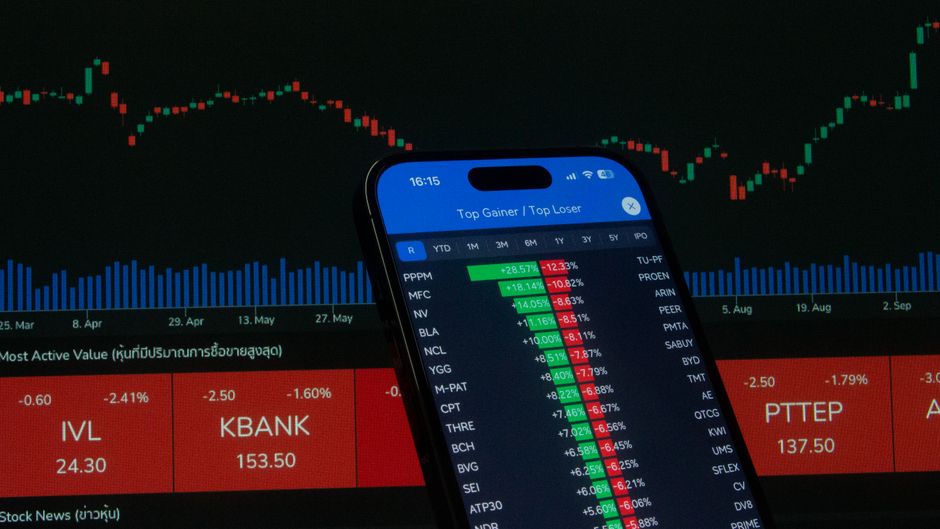
Once your account is open, you must select the appropriate assets. Beginners generally choose between buying individual corporate stocks or purchasing diversified funds. In the corporate world, managers evaluate the importance of accounting in business to track margins, but retail beginners should focus on broad asset allocation.
Harness the Safety of Index Funds
For the vast majority of beginners, buying individual stocks is unnecessarily risky. Instead, financial professionals recommend investing in index funds or Exchange-Traded Funds (ETFs) that track major market benchmarks like the S&P 500. According to historical performance metrics updated by Morningstar in mid-2026, the Vanguard S&P 500 ETF (VOO) delivered a 17.82% return in 2025 and has generated an average annual return of 15.6% over the past 10 years. By purchasing one share of an ETF like VOO, your money is automatically split across 500 of the largest corporations in the United States, neutralizing the risk of a single company failing.
Explore Fractional Shares
If an individual stock or fund trades at a high price, you do not need to buy a full share. Many brokerages allow fractional share investing, which lets you buy fractions of a stock with as little as $1.00. This ensures that even small portfolios can remain perfectly diversified. You can own a sliver of Apple or Microsoft without committing hundreds of dollars to a single security.
Executing Your First Stock Trade: Order Types Explained
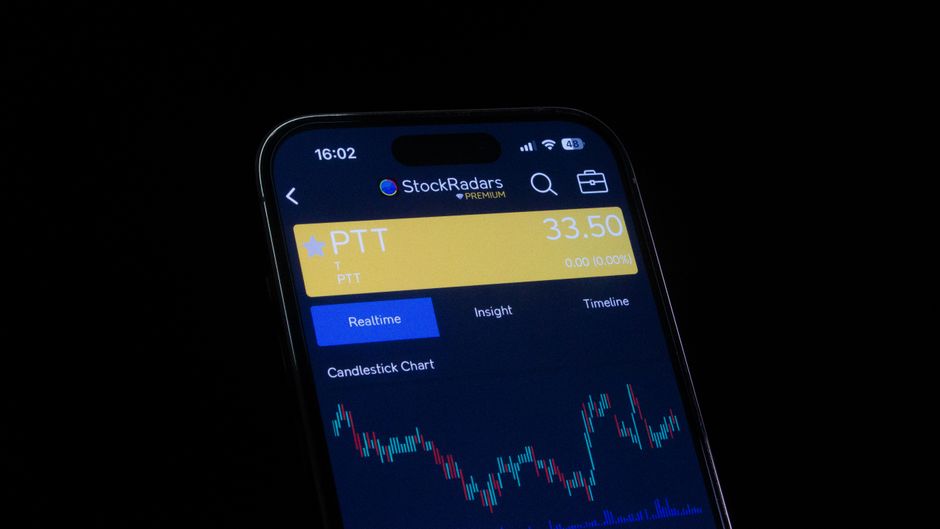
Placing a trade can feel intimidating, but the physical mechanics are straightforward. You will navigate to your chosen platform, enter the company’s ticker symbol (e.g., AAPL for Apple Inc. or MSFT for Microsoft Corp.), and choose an order type.
Master Market Orders vs. Limit Orders
Understanding order types prevents you from paying unexpected prices during fast market movements:
- Market Order: Instructs the broker to buy the stock instantly at the best available current market price. This is optimal for highly liquid, stable assets during standard trading hours.
- Limit Order: Instructs the broker to execute a trade only if the stock drops to a specific price or lower. This gives you exact control over your entry point.
Using algorithmic or AI-driven stock picking without manual review is not automation—it’s risk transfer. The financial liability doesn’t disappear because an algorithm clicked “buy”; the investor still owns the downside. Just as professional firms are evaluating the limits of AI replacing accountants, individuals must realize that automated tools cannot replace fundamental financial literacy. This risk transfer is why the Financial Industry Regulatory Authority (FINRA), in an October 2025 Investor Bulletin, explicitly warned retail investors to verify public company disclosures via the SEC EDGAR database rather than blindly trusting automated stock-picking platforms.
An investor on Reddit recalled starting with a $100 investment in a penny stock recommended by a friend. The company eventually went bankrupt and was delisted, leaving the worthless position permanently visible in their brokerage account as a daily reminder to avoid speculative tips.
Reddit r/investing
Ultimately, the key to stock market success is consistency rather than market timing. By selecting an established brokerage, prioritizing diversified index funds, and maintaining a long-term time horizon, you insulate your cash from inflation while building generational wealth.
Frequently asked questions

About the Author