
Photo by: RDNE Stock project via Pexels
Revenue recognition errors are not always intentional. Sometimes a sales team signs a contract with multiple deliverables and no one tells accounting until the invoice goes out. The same mechanism applies when cash doesn’t tie out: the short answer is that missing a single unrecorded bank fee will drag a perfectly healthy close cycle into a multi-day investigation. A rigorous execution of account reconciliation steps is the only way a corporate controller can confirm that what the general ledger claims is actually what the bank holds. The data suggests the stakes are high—Audit Analytics noted that restatements cost U.S. public firms an average of $1.2 million per occurrence in legal and compliance penalties throughout 2024.
- Retrieve and consolidate financial data
- Compare transactions and identify discrepancies
- Verify variances and inspect unmatched items
- Record necessary adjustments
- Post journal entries to the general ledger
- Conduct independent review and approval
- Archive records for audit readiness
- The shift to automated accounting software
- Frequently asked questions
An accounting team successfully uses AI agents to audit AP aging and uncashed checks, flagging outstanding items for human review rather than executing auto-adjustments.
Reddit r/Accounting
1. Retrieve and consolidate financial data

The process begins by gathering internal data against external reference points. Accountants extract the general ledger detail report for a specific period. Simultaneously, they retrieve independent source documents, such as bank statements, credit card merchant statements, or clearinghouse data from financial institutions like JPMorgan Chase.
In practice, bookkeeping and accounting teams spend a significant portion of their month-end close chasing down these external documents. Before moving forward, the opening balance of the current period must precisely match the closing balance of the prior period.
2. Compare transactions and identify discrepancies

Teams cross-reference every debit and credit listed in the general ledger against the corresponding bank activity. In digital environments, automated tools use rules-based matching engines to instantly clear matching values, dates, and transaction codes. Any transaction that does not find a perfect match is flagged for manual review.
3. Verify variances and inspect unmatched items

Unmatched items typically stem from timing differences, systemic errors, or unauthorized transactions. The standard is clear; the application is not always straightforward when dates blur across a weekend. Common examples include outstanding checks written by the company but not yet cashed by the vendor, and deposits in transit received and recorded by the company but not yet cleared by the bank.
4. Record necessary adjustments

For any legitimate variance identified that originates from internal omissions, the accounting team must formulate a rectifying journal entry adjustment. For example, if a bank statement reveals an unrecorded $450 wire transfer fee, the accountant must debit the bank service charge expense account and credit the cash account.
If you are exploring ways to automate accounts receivable collections, ensuring that inbound wire fees are automatically coded will save significant adjustment time during this step.
5. Post journal entries to the general ledger

Once prepared, adjustments must be formally posted to the enterprise resource planning (ERP) system, such as SAP SE or Oracle NetSuite. This step updates the ledger balances to ensure they mirror true economic reality before the financial statements are locked. Read the footnotes of any public company restatement, and you will often find an unposted journal entry at the core of the issue.
6. Conduct independent review and approval

To satisfy internal control requirements and prevent collusion, the individual who prepares the reconciliation must never be the person who approves it. A senior accounting manager or corporate controller must review the reconciliation packet. They verify that the ending adjusted bank balance perfectly matches the ending adjusted general ledger balance down to $0.00 in variance.
7. Archive records for audit readiness
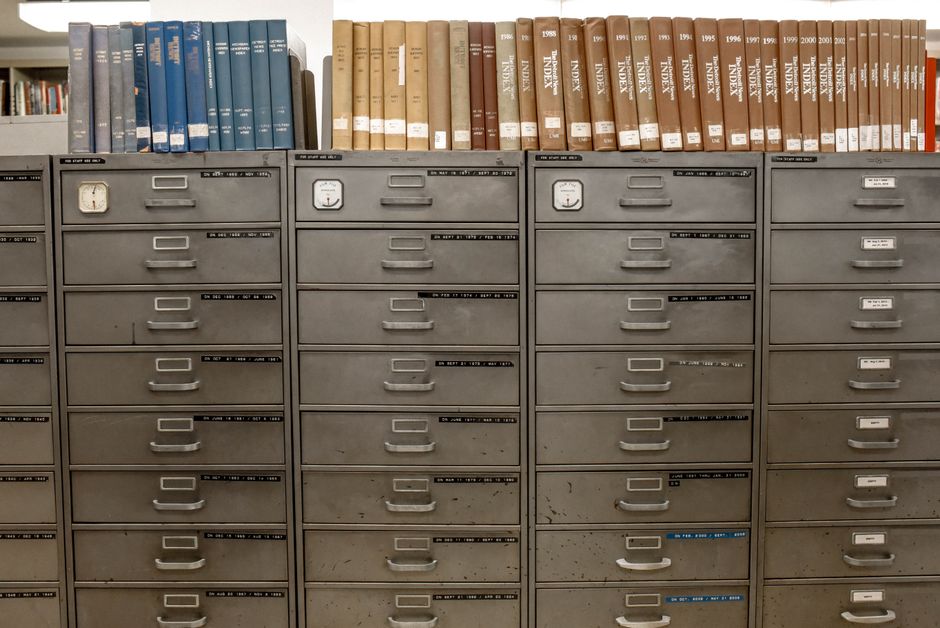
The final step is securely locking and archiving the reconciliation reports, bank statements, and supporting documentation. Under IRS Revenue Procedure 98-25, corporations must retain these financial records for a minimum of 7 years to support external tax and compliance audits.
The shift to automated accounting software

The traditional approach of utilizing manual spreadsheets is rapidly declining due to human error risks. A March 2025 global survey by Deloitte found that manual accounting errors account for 42% of late financial close cycles globally. By adopting specialized automated software engines like BlackLine or Trintech, finance departments can automate up to 85% of their routine matching workflows.
Worth noting: an automated tool will match perfectly coded transactions in seconds, but it will not fix a broken underlying process. This matters because companies that rush to buy software before standardizing their accounting cycle steps end up automating their own inefficiency.
Frequently asked questions

Consistently executing the steps in a proper account reconciliation is critical for safeguarding corporate assets and verifying ledger precision. Transitioning from legacy spreadsheets to automated accounting software drastically shortens financial close cycles, but only if the underlying execution is sound. Technology scales the process; it does not replace the requirement to do the work correctly in the first place.
About the Author