
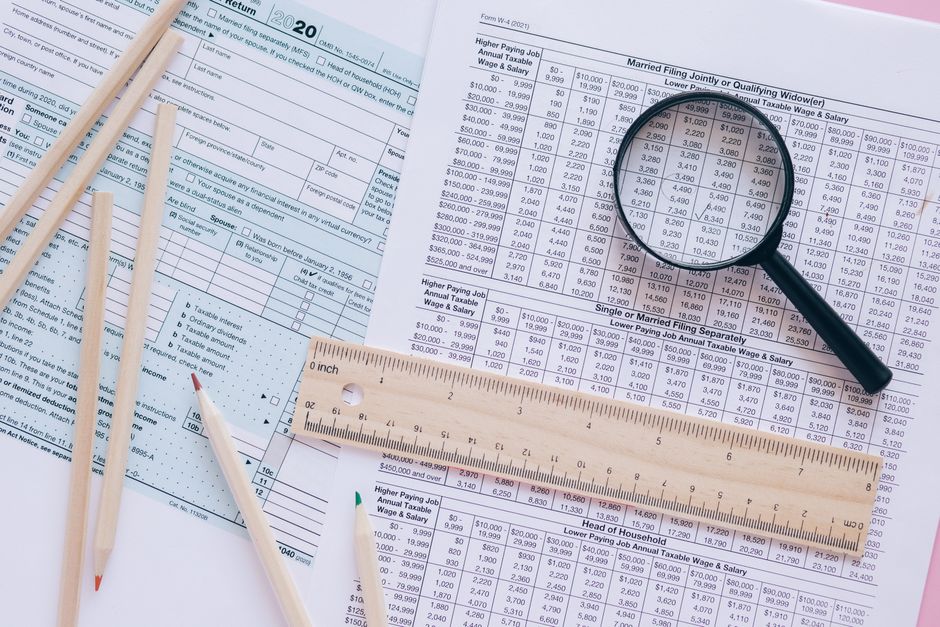
Photo by: Leeloo The First via Pexels
TL;DR: Custodial digital asset brokers—including centralized cryptocurrency exchanges, hosted wallet providers, crypto kiosk operators, and digital asset payment processors—must file Form 1099-DA for customer sales and exchanges. Finalized under Treasury Decision 10000, brokers must track gross proceeds for transactions occurring on or after January 1, 2025, with mandatory cost-basis reporting taking effect on January 1, 2026. Decentralized exchanges (DEXs) and self-custodial wallets remain temporarily out of scope.
Determining exactly who must file Form 1099-DA represents the most significant expansion of third-party information reporting in modern tax administration. Mandated by the Infrastructure Investment and Jobs Act (IIJA) and finalized under IRC Section 6045 regulations, Form 1099-DA brings cryptocurrency reporting into direct parity with traditional stock brokerage 1099-B statements. Below: which entities meet the definition of a custodial digital asset broker, why decentralized finance (DeFi) platforms are temporarily excluded, what specific data boxes appear on the form, the phased rollout for cost-basis reporting, and how individual investors reconcile missing basis on Form 8949.
Custodial brokers and digital asset middlemen that effect sales, exchanges, or merchant conversions of digital assets on behalf of customers must file Form 1099-DA with the IRS and furnish payee statements to taxpayers, according to the Internal Revenue Service (IRS) (July 2024).
- Final Regulation: Treasury Decision 10000 (89 FR 56480, finalized July 9, 2024)
- Statutory Authority: Internal Revenue Code (IRC) Section 6045 (IRS, July 2024)
- Phase 1 (Gross Proceeds): Transactions executed on or after January 1, 2025 (Forms issued early 2026)
- Phase 2 (Cost Basis): Mandatory adjusted cost basis on covered assets starting January 1, 2026
- Transitional Relief: IRS Notice 2024-56 (Good-faith penalty waiver for 2025 tax year)
- Who must file Form 1099-DA for digital asset sales?
- Which entities qualify as custodial digital asset brokers?
- Are decentralized exchanges (DEXs) required to issue Form 1099-DA?
- What transaction data is reported on Form 1099-DA?
- When does mandatory cost-basis reporting begin on Form 1099-DA?
- How should individual taxpayers reconcile Form 1099-DA on Form 8949?
- Frequently asked questions
- Conclusion
- Read next
Who must file Form 1099-DA for digital asset sales?

Under IRC Section 6045, who must file Form 1099-DA includes any person or business entity that, in the ordinary course of a trade or business, acts as a custodial middleman or agent standing ready to effect sales or exchanges of digital assets on behalf of customers. Individual investors do not file Form 1099-DA; it is an information return filed exclusively by brokers.
The regulatory definition targets businesses that possess the technical ability to identify their customers, execute transactions, and track transaction proceeds. If an entity maintains custody of private keys or facilitates trades through an internal order book, it falls squarely within the mandatory reporting framework.
Custodial digital asset brokers, crypto ATM operators, payment processors, and real estate closing agents must file Form 1099-DA directly with the IRS.
Brokers must furnish Copy B of Form 1099-DA to customers by February 15 following the close of the calendar year (extended to February 17 when February 15 falls on a weekend or holiday) and submit electronic copies to the IRS by March 31.
| Entity Type | Form 1099-DA Filing Status | Governing Custodial Trigger | Effective Tax Year |
|---|---|---|---|
| Centralized Crypto Exchanges (e.g., Coinbase, Kraken) | Mandatory Filer | Holds customer private keys & executes order book trades | Tax Year 2025 (Gross Proceeds) |
| Hosted / Custodial Wallet Providers | Mandatory Filer | Controls user custody & facilitates off-ramp transactions | Tax Year 2025 (Gross Proceeds) |
| Digital Asset Kiosks / Bitcoin ATMs | Mandatory Filer | Executes cash-to-crypto and crypto-to-cash conversions | Tax Year 2025 (Gross Proceeds) |
| Payment Processors (PDAPs) | Mandatory Filer | Converts digital assets to fiat for merchant settlement | Tax Year 2025 (Gross Proceeds) |
| Real Estate Reporting Persons | Mandatory Filer | Facilitates real property acquisitions paid with digital assets | Tax Year 2026 |
| Decentralized Exchanges (DEXs / DeFi Protocols) | Temporarily Carved Out | Non-custodial smart contracts lacking identity controls | Pending future regulations |
| Unhosted Hardware / Self-Custody Wallets | Exempt | Software provider holds no private keys or transaction custody | N/A (Out of scope) |
| Staking Validators & Blockchain Miners | Exempt | Validates network blocks without effecting customer broker sales | N/A (Out of scope) |
Which entities qualify as custodial digital asset brokers?

Treasury Decision 10000 established four primary categories of custodial entities that meet the statutory definition of a digital asset broker:
- 1. Centralized Exchanges (CEXs): Custodial trading platforms that match buy and sell orders, provide fiat off-ramps, and maintain omnibus customer ledgers.
- 2. Hosted Wallet Providers: Financial institutions or fintech platforms that store digital assets on behalf of users, retaining custody of private cryptographic keys.
- 3. Digital Asset Kiosk Operators: Businesses operating physical electronic kiosks (Bitcoin ATMs) that accept fiat currency in exchange for cryptocurrency transfers to user wallets.
- 4. Digital Asset Payment Processors (PDAPs): Intermediary services that accept cryptocurrency from buyers and immediately convert it to fiat cash or stablecoins to settle merchant accounts.
Any platform that exercises custody over private keys and facilitates digital asset dispositions must register as a reporting broker under Treasury Decision 10000.
The custodial reporting requirements align institutional crypto custody with traditional equity clearinghouse rules, comparable to core investor protection frameworks outlined in our guide on how to buy stocks for beginners.
Are decentralized exchanges (DEXs) required to issue Form 1099-DA?

No. In the final regulations published in July 2024, the Treasury Department and the IRS explicitly excluded non-custodial decentralized finance (DeFi) platforms, decentralized exchanges (DEXs), and self-custodial wallet developers from the immediate Form 1099-DA filing mandate.
The Treasury concluded that because true non-custodial protocols execute peer-to-contract transactions without collecting user identity information (Know-Your-Customer data) or holding private keys, applying custodial broker reporting rules was technologically unfeasible without further rulemaking.
Decentralized exchanges, self-custodial hardware wallets, and unhosted software wallets are not required to file Form 1099-DA under current regulations.
In parallel, the IRS released a separate proposed rulemaking package targeting non-custodial digital asset middlemen. Furthermore, taxpayers trading on DEXs remain legally obligated to report all capital gains and losses on their individual tax returns, as detailed in our analysis of AICPA digital asset practice guidance.
What transaction data is reported on Form 1099-DA?
Form 1099-DA is structured similarly to Form 1099-B, but incorporates fields tailored to blockchain architecture and digital token mechanics. Key reporting boxes include:
- Box 1a — Date Acquired: Date the asset was purchased or credited to the custodial account (mandatory for covered assets in Phase 2).
- Box 1b — Date Sold or Disposed: Exact date and timestamp when the disposition occurred.
- Box 1d — Gross Proceeds: Total fiat value (or fair market value of property received) minus direct transaction fees.
- Box 1e — Cost or Other Basis: Adjusted historical acquisition basis of the digital asset (mandatory starting 2026).
- Box 1f — Code / Digital Asset Name: Full token name and ticker symbol (e.g., Bitcoin – BTC, Ethereum – ETH).
- Box 1g — Number of Units: Granular quantity of tokens disposed of (supporting fractional decimals up to 8 places).
- Box 1i — Wash Sale Loss Disallowed: Tracks potential wash sale adjustments if future legislation expands Section 1091 to digital assets.
- Box 11 — Transfer-In Indicator: Indicates whether the asset was transferred into the custodial broker from an outside wallet, alerting the IRS that basis may be unverified.
Form 1099-DA captures token names, fractional units, gross proceeds, disposal dates, and external wallet transfer indicators.
Crucially, the IRS removed earlier draft requirements that would have mandated reporting wallet addresses and transaction hashes on individual forms, alleviating substantial consumer privacy concerns.
When does mandatory cost-basis reporting begin on Form 1099-DA?

The IRS instituted a multi-year phase-in timeline under Treasury Decision 10000 to give custodial platforms adequate time to build cost-basis tracking infrastructure:
| Phase & Tax Year | Mandatory Reporting Scope | Covered vs. Non-Covered Scope | Tax Season Distribution |
|---|---|---|---|
| Phase 1 (Tax Year 2025) | Gross Proceeds Only (Box 1d) | All sales/exchanges executed on platform; cost basis reporting is optional | Forms furnished to taxpayers by Feb 17, 2026 |
| Phase 2 (Tax Year 2026) | Gross Proceeds + Adjusted Cost Basis (Box 1e) | Mandatory basis for “covered assets” acquired on or after Jan 1, 2026; real estate reporting begins | Forms furnished to taxpayers in early 2027 |
| Phase 3 (Tax Year 2027+) | Electronic-First Delivery Model | Brokers permitted to furnish statements electronically by default without paper mailing | Forms furnished in early 2028 |
Mandatory cost-basis reporting takes effect on January 1, 2026, for digital assets acquired and held in custodial accounts.
Under IRS Notice 2024-56, the IRS provided transitional penalty relief for the 2025 tax year, waiving failure-to-file penalties under IRC Sections 6721 and 6722 for brokers that demonstrate a good-faith effort to comply with Phase 1 gross proceeds reporting.
How should individual taxpayers reconcile Form 1099-DA on Form 8949?

When an individual taxpayer receives Form 1099-DA from a broker, the reported transactions must be reconciled on IRS Form 8949 (Sales and Other Dispositions of Capital Assets) and summarized on Schedule D (Form 1040).
For the 2025 tax year (when Box 1e cost basis is left blank on Phase 1 forms), taxpayers must check Box B (for short-term transactions) or Box E (for long-term transactions), indicating that transactions were reported on Form 1099-DA without basis. The taxpayer is responsible for supplying their own documented cost basis in Column (e).
Taxpayers must reconcile Form 1099-DA proceeds on Form 8949, supplying their own cost basis when brokers report gross proceeds only.
In practice, reconciling transferred crypto assets requires detailed transaction records. In a technical tax accounting discussion on Reddit, a CPA outlined common filing complications:
Our biggest challenge with 1099-DA rollout is unverified transfers. If a client buys Bitcoin on a hardware wallet in 2021, transfers it to Coinbase in 2025, and sells, Coinbase reports the full gross proceeds with zero basis. If the taxpayer simply enters zero basis on Form 8949, they pay tax on the entire proceeds rather than the net capital gain. Maintaining self-custody purchase records is non-negotiable.
Reddit r/Accounting
Review reconciliation instructions on the IRS Form 8949 portal to verify cost-basis adjustment codes before filing your annual return.
Maintaining clear transaction histories across digital asset wallets reflects standard automated ledger practices detailed in our guide to accounting information system architecture, as well as fundamental principles in cash vs accrual accounting measurement.
Verified September 2026. Form 1099-DA reporting is active under Treasury Decision 10000; this guide is updated as the IRS releases further non-custodial broker rules.
Frequently asked questions

Conclusion
Form 1099-DA establishes a standardized third-party reporting framework for the digital asset industry, aligning custodial crypto exchanges with traditional financial brokerages. While Phase 1 focuses on gross proceeds transparency, the arrival of Phase 2 cost-basis reporting on January 1, 2026, demands institutional infrastructure upgrades. Custodial platforms must automate lot tracking and KYC verification, while individual taxpayers must maintain verifiable self-custody records to substantiate cost basis on Form 8949.
Review your custodial digital asset transaction records to prepare for Form 1099-DA reconciliation on Form 8949. Ensure your accounting systems track fractional unit basis and acquisition timestamps across all exchange accounts and private wallets.
Read next
- AICPA Digital Assets Practice Aid: Mining Pool & Staking Guidance — for technical accounting rules governing validator rewards and protocol income.
- Accounting Information System: Architecture & Internal Controls — if your finance department is automating crypto transaction data feeds.
- How to Buy Stocks for Beginners: Account Setup & Tax Rules — for foundational principles governing traditional brokerage Form 1099-B reporting.
About the Author