Photo by: www.kaboompics.com via Pexels
TL;DR: Canadian small businesses must preserve all core financial records—including sales invoices, operating expense receipts, bank statements, payroll logs, and GST/HST filings—for a minimum of six years from the end of the relevant tax year. The Canada Revenue Agency (CRA) mandates itemized source documents for every deduction, as bank statements alone are insufficient proof during an audit.
Navigating tax compliance in Canada requires clear record-keeping workflows. Maintaining complete financial records for a small business in Canada protects your enterprise from costly audit reassessments, disallowance of valid business expenses, and severe gross negligence penalties under the Income Tax Act. Whether operating as a sole proprietor in Ontario or an incorporated startup in British Columbia, keeping organized records is your primary defense during a Canada Revenue Agency review.
- What Financial Records Do You Need to Keep for a Small Business in Canada?
- Mandatory Document Categories: From Sales Invoices to GST/HST Filings
- The 6-Year Retention Rule: CRA Timelines and Exceptions
- Digital Bookkeeping Standards: When Can You Shred Paper Receipts?
- Penalties for Non-Compliance: Audit Risk under Subsection 163(2)
- Frequently Asked Questions
What Financial Records Do You Need to Keep for a Small Business in Canada?

Under Canadian tax law, every individual operating a business or corporation must maintain adequate books and records. The Canada Revenue Agency (CRA) defines books and records as any document containing financial information that verifies your income, business deductions, and tax credits.
To qualify as adequate under CRA guidelines, your record system must satisfy three fundamental conditions:
- Verifiability: Every recorded entry must be supported by an original itemized source document (such as a cash register slip, vendor invoice, or signed contract).
- Completeness: All revenues, expenses, assets, liabilities, and sales tax collections must be logged without omission.
- Accessibility: Records must be stored in Canada (either at your place of business or a designated Canadian residence) and made available to CRA officers upon official request.
Understanding these obligations aligns directly with established bookkeeping principles. As outlined in our breakdown on the importance of accounting in business operations, systematic data capture isn’t merely an administrative chore—it forms the structural foundation that supports commercial growth and regulatory compliance.
Mandatory Document Categories: From Sales Invoices to GST/HST Filings

Canadian small businesses manage distinct categories of financial paperwork, each serving a specific role during corporate tax returns (T2) or sole proprietorship filings (Form T2125). Storing generic account summaries is not enough; you must retain specific source files for each operational vertical.
The table below summarizes the mandatory document types required by the CRA, alongside key compliance considerations:
| Record Category | Required Source Documents | CRA Audit Compliance Focus |
|---|---|---|
| Revenue & Income | Sales invoices, POS summary reports, bank deposit slips, fee contracts | Verifying gross income completeness and matching invoice dates to the correct tax year. |
| Operating Expenses | Itemized vendor receipts, utility bills, commercial lease agreements, mileage logs | Confirming expenses were incurred to earn business income. Bank statements alone are rejected. |
| Payroll & Remittances | T4/T4A slips, CPP and EI deduction logs, signed employment contracts, PD7A forms | Ensuring statutory payroll deductions were calculated correctly and remitted on schedule. |
| GST/HST & PST | Filed GST/HST returns, supplier invoices showing vendor GST registration numbers | Validating Input Tax Credits (ITCs). If a supplier’s GST number is missing, ITCs are denied. |
| Capital Assets | Equipment bills of sale, vehicle titles, property deeds, leasehold schedules | Establishing Capital Cost Allowance (CCA) asset classes and tracking tax depreciation over time. |
Managing these categories effectively depends heavily on accounting methodology. Under accrual principles, income and liabilities are recognized when earned or incurred rather than when funds clear. To review how accounting methods shape document intake, see our comparative guide on cash vs accrual accounting rules.
A Canadian business owner shared that during a routine CRA audit, the auditor disallowed $14,000 in claimed vehicle and office supply deductions because the owner provided credit card statements instead of original itemized receipts showing GST details.
Reddit r/smallbusiness
The 6-Year Retention Rule: CRA Timelines and Exceptions
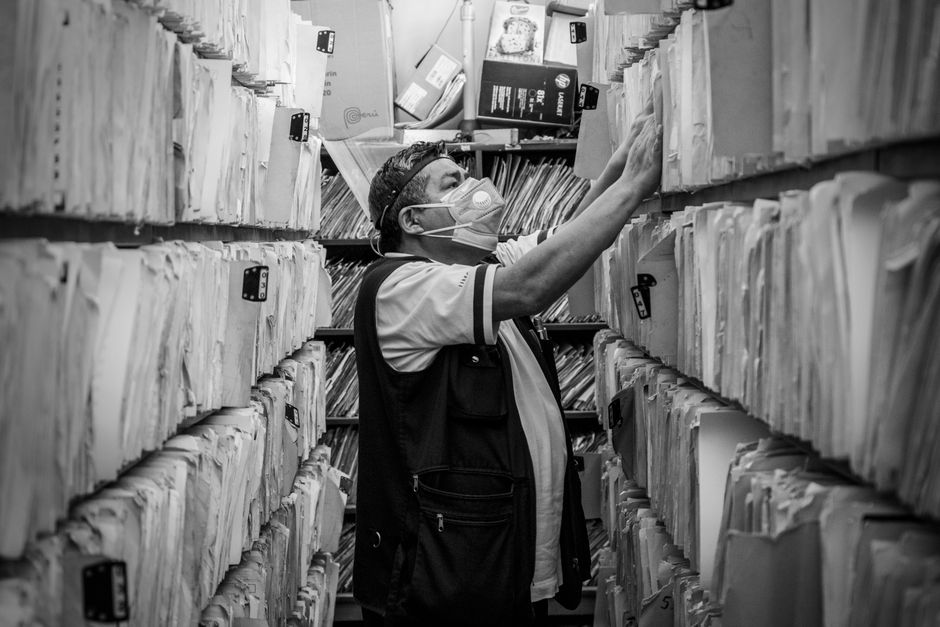
The standard benchmark for document preservation in Canada is the Six-Year Rule. Under Section 230 of the Income Tax Act, small business owners must keep all financial records and supporting documents for a minimum of six years from the end of the last tax year to which they relate.
For example, if your corporation’s fiscal year ended on December 31, 2025, the six-year retention clock starts on December 31, 2025. That means all receipts, invoices, and bank records for 2025 must be safely stored until at least December 31, 2031.
However, several critical exceptions extend retention requirements beyond the six-year mark:
- Late-Filed Tax Returns: If you file a corporate or sole proprietorship return late, the six-year clock starts from the actual date the return was officially submitted, not the calendar year-end.
- Capital Property Files: Receipts and purchase agreements for land, buildings, or heavy machinery must be kept for six years after the year you sell or dispose of the asset.
- Corporate Governance Records: Articles of incorporation, share registries, board meeting minutes, and corporate bylaws must be kept indefinitely for the life of the business.
- Corporate Dissolution: When a corporation legally winds up, records must be retained for two additional years following the formal date of dissolution.
Reconcile your accounts monthly, not at year-end. (Shoeboxes full of faded thermal receipts are not a record retention strategy; after three years in a warm closet, that $1,200 equipment receipt becomes a blank slip of paper.) Catching missing invoices early prevents multi-year retention gaps.
Digital Bookkeeping Standards: When Can You Shred Paper Receipts?

Small businesses across Canada are transitioning from physical filing cabinets to cloud-based accounting platforms. According to a digital infrastructure report by International Data Corporation (IDC), over 84% of North American small businesses rely on cloud digital document management for financial record-keeping.
The CRA fully accepts electronic images and digital receipts in place of paper originals, provided your digital system meets strict imaging standards outlined in IC78-10R5 (Books and Records Retention):
- Visual Clarity: Digital scans must display clear, legible details of all printed text, date stamps, vendor names, itemized lines, and tax subtotals.
- System Security: Scanned files must be stored in standard file formats (PDF, PNG, JPEG) and secured against unauthorized alteration or file corruption.
- Searchable Indexing: Scans must be indexed so that specific transactions can be retrieved by date, vendor, or invoice number during a audit query.
Once a physical document is converted into an electronic image that satisfies these standards, you are legally permitted to shred the original paper receipt. For guidance on how digital source files flow into primary journals, review our explainer on where accounting transactions are first recorded.
Penalties for Non-Compliance: Audit Risk under Subsection 163(2)
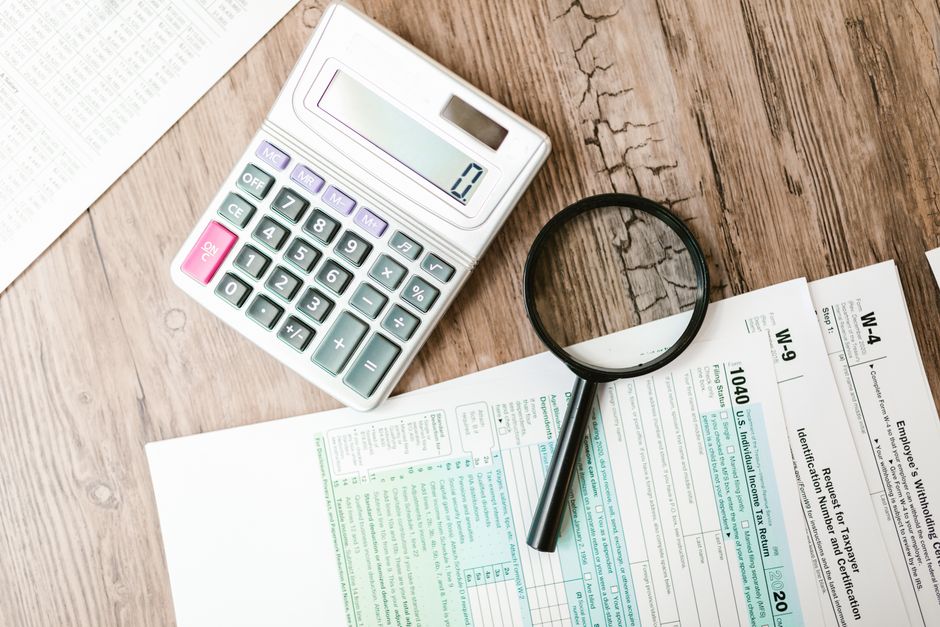
Failing to maintain proper records carries severe financial consequences. If the CRA selects your business for an audit and you cannot produce acceptable source documents, the auditor has the legal authority to reject your claimed expenses entirely.
Disallowing expense deductions inflates your net taxable income, resulting in immediate tax reassessments, compounded daily interest charges, and potential failure-to-file penalties. Furthermore, if the CRA determines that inadequate record-keeping resulted from gross negligence or intentional omission, they can levy severe fines under Subsection 163(2) of the Income Tax Act.
According to official CRA corporate penalty guidelines, the penalty for gross negligence equals the greater of $100 or 50% of the understated tax liability. If a business realizes past records are incomplete before an audit begins, they can submit an application through the CRA’s Voluntary Disclosure Program (VDP) to correct past returns and waive penalty assessments.
Frequently Asked Questions
The CRA won’t remind you to keep receipts when business is good. They will only ask for them when it isn’t. Build the habit now or pay the auditor later.
About the Author