SpaceX
If SpaceX ever goes public, its S-1 filing may go down as one of the most fascinating IPO documents ever released.
Not because of rockets.
Not because of Mars.
But because the filing reveals something much larger: SpaceX no longer sees itself as merely an aerospace company. It is positioning itself as infrastructure for a civilization-scale future built around connectivity, compute power, artificial intelligence, defense systems, and eventually multiplanetary expansion.
That shift is what makes the filing so extraordinary.
SpaceX Is No Longer “Just” a Space Company
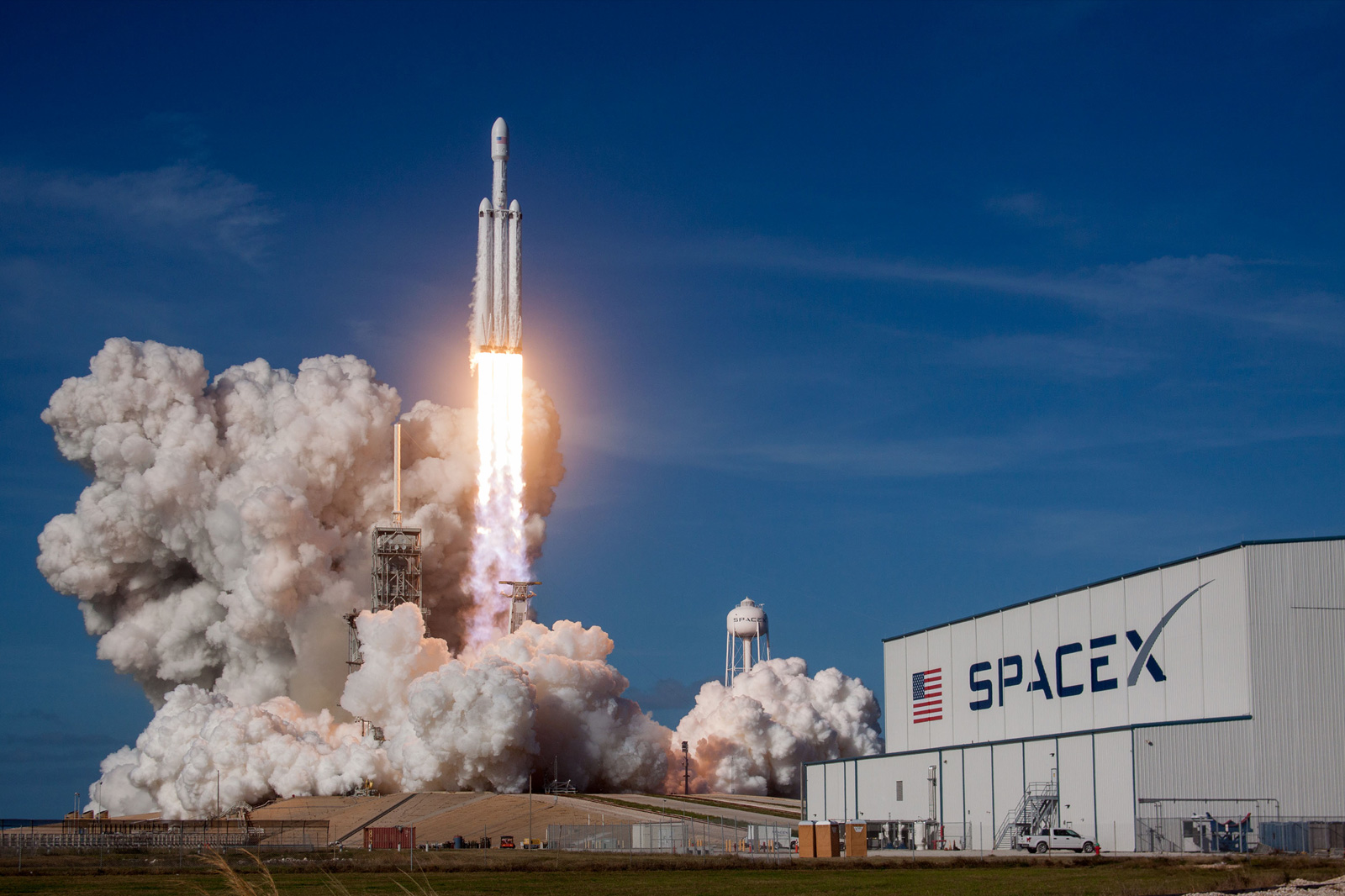
For years, investors viewed SpaceX primarily through the lens of launches and reusable rockets. The company disrupted the economics of space transportation and became synonymous with innovation in aerospace engineering.
But the IPO narrative reframes the company entirely.
The filing suggests SpaceX now sits at the intersection of several massive industries simultaneously:
- satellite internet infrastructure
- AI and hyperscale compute
- defense and communications
- launch systems
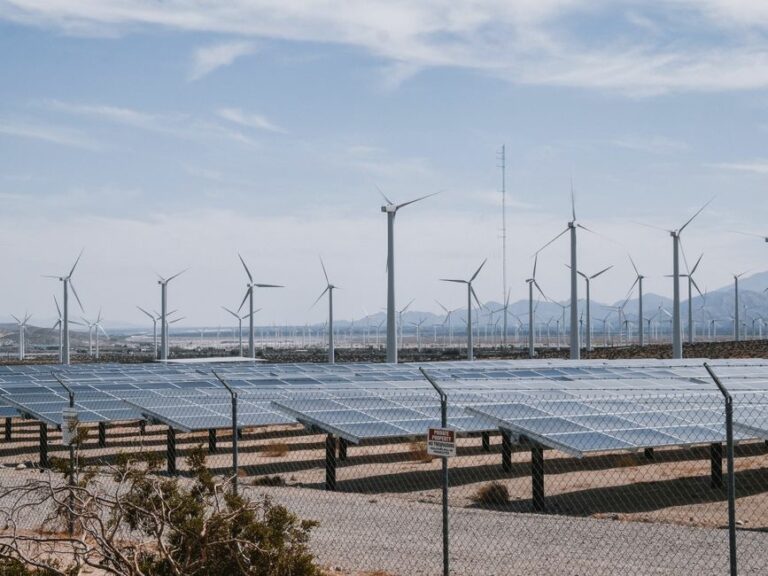
- energy-intensive data infrastructure
- and long-term Mars colonization
The rockets increasingly look like enabling infrastructure for a much larger platform strategy.
Starlink Has Become the Economic Engine
The clearest takeaway from the filing is that Starlink appears to be the company’s real financial backbone.
Starlink reportedly generated approximately $11.4 billion in revenue, transforming SpaceX from a project-based launch business into a recurring-revenue infrastructure company.
That matters enormously.
Recurring connectivity revenue creates a fundamentally different business model than episodic launch contracts. It provides the predictable cash flow needed to fund massive long-term investments — including the development of Starship, AI infrastructure, and future planetary ambitions.
In many ways, Starlink may be doing for SpaceX what AWS did for Amazon: quietly becoming the financial engine funding everything else.
The Most Shocking Numbers Are About AI — Not Rockets
The biggest surprise in the filing is not related to space exploration at all.
It is AI.
According to the filing, SpaceX appears to be investing more aggressively in artificial intelligence infrastructure than in rockets themselves.
Some of the disclosed numbers are staggering:
- $12.7 billion in AI capex projected for 2025
- $7.7 billion spent on AI infrastructure in Q1 2026 alone
- $26.5 trillion of the company’s claimed TAM tied specifically to AI
- $28.5 trillion total addressable market described as “the largest actionable TAM in human history”
The implication is difficult to ignore:
SpaceX increasingly views AI as the core long-term business opportunity, while space systems become the infrastructure layer supporting it.
That is a dramatic repositioning of the company narrative.
The Anthropic Agreement May Be One of the Wildest Disclosures
One disclosure stands out above almost everything else.
The filing reportedly states that Anthropic could pay SpaceX roughly $1.25 billion per month for compute infrastructure through 2029.
If accurate, that would represent one of the largest AI infrastructure agreements ever disclosed publicly.
It also signals something deeper happening across the technology landscape: the convergence of compute, energy, communications, and physical infrastructure into a single strategic ecosystem.
SpaceX may be attempting to position itself at the center of that ecosystem.
A $1.75 Trillion IPO?
The proposed valuation target is equally astonishing.
At approximately $1.75 trillion, the IPO could become the largest public offering in history.
That valuation is not being justified primarily through aerospace comparisons. Instead, the filing frames SpaceX as foundational infrastructure for global intelligence systems and civilization-scale connectivity.
In other words, the company is asking investors to evaluate it less like Boeing and more like a hybrid of:
- a telecom giant
- a hyperscale cloud provider
- an AI infrastructure company
- and a sovereign-level defense contractor
That is an unprecedented positioning strategy for an IPO.
Massive Scale — But Massive Losses Too
Despite generating approximately $18.7 billion in revenue, the company reportedly still posted roughly $4.9 billion in losses.
Cumulative losses since inception exceed $37 billion.
Under normal circumstances, those numbers would alarm investors.
But the filing frames these losses differently: not as operational weakness, but as deliberate investment into long-duration infrastructure expansion.
Essentially, SpaceX appears to be arguing that it is building systems so large and capital-intensive that traditional profitability timelines become less relevant.
Elon Musk Still Controls Everything
The governance structure remains heavily founder-controlled.
According to the filing, Elon Musk would retain approximately 85.1% voting control even after the IPO.
Public investors would gain economic exposure to the company’s growth, but very limited influence over strategic direction.
That governance structure resembles other founder-led technology giants, but at an even more extreme scale.
For some investors, that concentration of control will be a concern.
For others, it may be viewed as essential to maintaining the company’s long-term vision.
Mars Is Embedded Into Corporate Strategy
Perhaps the most surreal aspect of the filing is how seriously Mars colonization is integrated into actual corporate planning.
This is not treated as branding.
The filing reportedly ties executive compensation structures and strategic milestones directly to long-term multiplanetary objectives — including the possibility of a Mars colony reaching one million people.
There is even discussion of an enormous additional equity package tied to valuation and Mars-related milestones.
Few companies in history have ever embedded a civilizational mission this explicitly into governance and compensation frameworks.
The Real Meaning of the Filing
The most important takeaway from the SpaceX IPO filing is not that the company builds rockets.
It is that SpaceX is attempting to redefine what category it belongs to entirely.
The filing suggests a company that sees itself as:
- global internet infrastructure
- AI compute infrastructure
- defense infrastructure
- planetary transportation infrastructure
- and eventually, interplanetary infrastructure
Whether investors ultimately believe that vision is another question entirely.
But if this IPO ever happens, it may mark the moment when the market stopped viewing SpaceX as an aerospace company — and started viewing it as infrastructure for the next phase of technological civilization.
About the Author