
Photo by: Los Muertos Crew via Pexels
TL;DR: Capitalizing a cost in accounting means recording an expenditure as an asset on the balance sheet rather than immediately expensing it on the income statement. This treatment is reserved for purchases that provide future economic benefit extending beyond the current tax year. The cost is then systematically recognized as an expense over the asset’s useful life through depreciation or amortization, matching expenses with the revenues they help generate.
In corporate finance, distinguishing between immediate expenses and capitalized assets is a fundamental driver of balance sheet strength and earnings accuracy. When an enterprise purchases equipment, licenses software, or builds facility infrastructure, the financial classification dictates how net income is represented for that quarter and future periods. Relying on the accrual basis method, accountants must decide whether a cash outflow buys immediate consumption or multi-year utility. Understanding how and when to capitalize costs ensures regulatory compliance and prevents timing distortions from misleading investors.
- What Does Capitalized Mean in Accounting?
- Capital Expenditures vs. Operating Expenses (CapEx vs. OpEx)
- Real-World Tangible Assets Examples
- Intangible Asset Capitalization and Internal Software
- Shifting Capitalized Expenses to the Income Statement
- Materiality and Capitalization Thresholds
- Audit Scrutiny, Fraud Risks, and Regulatory Evolution
What Does Capitalized Mean in Accounting?

To understand what capitalized mean in accounting, professionals look at the long-term utility of a corporate purchase. In standard bookkeeping, when a business incurs a cost, it records the entry in its accounting journal. If the utility of that purchase is consumed immediately, it is expensed in the current period. However, if the purchase is expected to provide economic benefits for more than one year, the cost must be capitalized.
According to the Financial Accounting Standards Board (FASB) based in Norwalk, Connecticut, capitalizing a cost shifts the transaction from the income statement to the balance sheet. Rather than showing a massive cash outflow as a single-quarter loss, the cost is recorded as a long-term asset. This asset is subsequently depreciated or amortized over its useful life, matching the asset’s cost with the revenues it helps produce. In practice, this process prevents short-term earnings volatility and provides a fair view of structural value.
Capital Expenditures vs. Operating Expenses (CapEx vs. OpEx)

To grasp capitalization fully, one must evaluate cash outflows through the lens of Capital Expenditures (CapEx) and Operating Expenses (OpEx). CapEx represents investments in assets that expand or prolong the productive capacity of a business. OpEx, conversely, represents the day-to-day costs required to run a business. A simple comparison reveals how timing dictates the treatment of these transactions:
The standard is clear; the application is not. Under the International Accounting Standards Board (IASB) in London, United Kingdom, IFRS mandates that for a cost to be capitalized, it must be probable that future economic benefits will flow to the entity, and the cost must be reliably measurable. For example, if a logistics firm purchases a delivery truck for $45,000, it capitalizes the truck because it generates revenue over several years. However, paying $120 for an oil change on that same truck is an operating expense because the utility of the oil is consumed immediately.
| Factor | Capital Expenditure (CapEx) | Operating Expense (OpEx) |
|---|---|---|
| Financial Statement | Recorded on the Balance Sheet | Recorded on the Income Statement |
| Immediate Profit Impact | None (Asset value increases) | Reduces current period net income |
| Expense Allocation | Recognized slowly via depreciation | Recognized immediately |
| Tax Treatment | Deducted over several years | Deducted in the current tax year |
| Useful Life | Exceeds one year | Less than one year |
Real-World Tangible Assets Examples
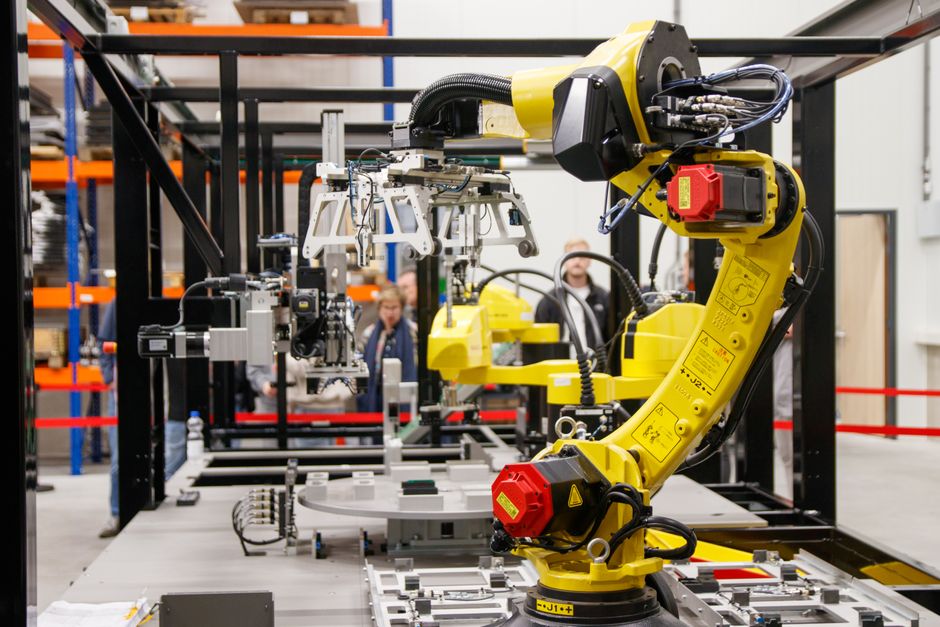
Tangible assets represent physical items purchased to improve operations over an extended timeframe. Fixed asset recognition requires that these purchases be tracked systematically in a fixed asset register. A corporate example of this occurred in February 2024, when Tesla, Inc. expanded its manufacturing capabilities at its Gigafactory in Austin, Texas. The company capitalized millions of dollars spent on heavy robotic assembly machinery, placing those costs under Property, Plant, and Equipment (PP&E) on its balance sheet.
Had Tesla expensed these equipment purchases immediately, the resulting income statement would have shown an artificial loss for that quarter, distorting profitability. By capitalizing these costs, Tesla maintains a clean asset base, matching the machinery’s cost with the future vehicles it produces. This timing is a core differentiator, emphasizing how cash vs accrual accounting shifts the recognition of expenses to align with operational reality.
Intangible Asset Capitalization and Internal Software
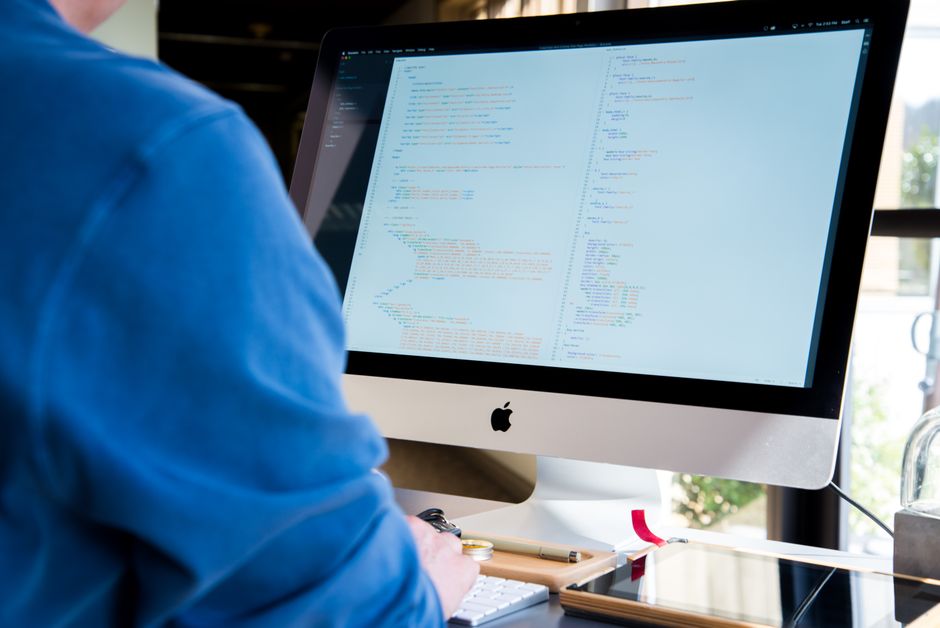
Intangible assets lack physical substance but hold significant long-term market value. Corporate capitalization of intangibles includes patents, trademarks, and internal-use software. Consider Microsoft Corporation, headquartered in Redmond, Washington. When Microsoft acquires intellectual property or internal-use software development licenses, specific elements of those costs are capitalized. Under FASB Accounting Standards Codification (ASC) Topic 350-40, software development costs incurred during the application development stage must be capitalized, whereas preliminary project stage costs are expensed instantly.
In the developer community, this creates a strict operational boundary. A discussion on Reddit r/accounting highlights that software engineer salaries can be capitalized during the active build phase of internal-use platforms, but training and post-implementation maintenance must be expensed as incurred. This matches the standard’s intent: only costs that directly build future capacity are capitalized.
Accounting professionals on Reddit note that under ASC Topic 350-40, software developer salaries are capitalized during the active application development stage, but preliminary research and post-implementation maintenance costs must be expensed immediately.
Reddit r/accounting
Shifting Capitalized Expenses to the Income Statement

Capitalizing an asset does not mean the cost is never recognized as an expense. Instead, the expense is deferred and spread systematically across the asset’s useful life. This systematically aligns the cost of the asset with the revenues it helps produce. The method used to shift the capitalized value to the income statement depends on the nature of the asset:
| Asset Type | Cost Allocation Method | Typical Useful Life | Example Asset |
|---|---|---|---|
| Tangible Fixed Assets | Depreciation | 3 to 39 Years | Delivery Trucks, Office Buildings, Machinery |
| Intangible Assets | Amortization | 3 to 15 Years | Patents, Trademarks, Internal Software |
| Natural Resources | Depletion | Based on Usage | Timberlands, Oil Reserves, Mineral Mines |
A study published by the McKinsey Global Institute in November 2025 noted that corporate investments in digital capitalized assets grew by 14% annually over the trailing 3-year period. This rapid rise highlights the shift toward long-term intangible assets in the modern global economy. Understanding GAAP depreciation schedules is essential to ensuring these allocations remain consistent.
Materiality and Capitalization Thresholds

Capitalization thresholds vary by organization based on materiality. Materiality is an accounting concept that dictates whether a financial detail is significant enough to influence the decisions of a reasonable observer. If a multi-billion dollar enterprise buys a $50 office trash can that lasts for five years, it does not capitalize the cost. Doing so would create unnecessary administrative overhead. The trash can is expensed immediately under the concept of materiality, showing how the general importance of accounting in business lies in balancing precision with practicality.
To maintain consistency, corporate accounting departments set internal capitalization thresholds. The Internal Revenue Service (IRS) in Washington, D.C., provides a safe harbor threshold under Section 263(a) of the Internal Revenue Code. For businesses without an applicable financial statement, the safe harbor limit is $2,500 per item, while companies with audited financial statements can capitalize items up to $5,000 automatically.
Audit Scrutiny, Fraud Risks, and Regulatory Evolution

Because capitalization improves current-period profitability by shifting expenses off the income statement, it is a high-risk area for financial reporting fraud. If management is under pressure to meet quarterly earnings targets, they might intentionally capitalize regular operating expenses. The most famous example of this was the WorldCom collapse in June 2002. A U.S. Securities and Exchange Commission (SEC) investigation revealed that WorldCom executives had fraudulently capitalized $3.8 billion in ordinary line costs, presenting them as capital investments to hide massive losses.
To prevent similar misstatements, auditing networks pay close attention to capitalization changes. Under current guidance, automatic routines that classify purchases must be reviewed. Automation that skips the review step is not automation—it’s risk transfer. If a corporate system automatically capitalizes general repairs as CapEx without human verification, it is building a future audit finding. Academic research published in The Accounting Review by researchers at the University of Chicago Booth School of Business indicates that firms with high levels of unexplained capital adjustments have a 15% higher risk of financial restatements.
By December 2026, regulatory changes driven by the SEC are expected to provide clearer guidance on capitalizing artificial intelligence models and large language model (LLM) training sets. As enterprises invest billions into proprietary algorithmic infrastructure, treating these costs as long-term capitalized assets rather than short-term operational burdens will transform corporate balance sheets. The technology will keep changing, but the need to reconcile it against reality won’t. That’s either reassuring or exhausting, depending on your relationship with Excel.
Frequently asked questions
The standard is still being drafted. Your spreadsheet is not. Start there.
About the Author