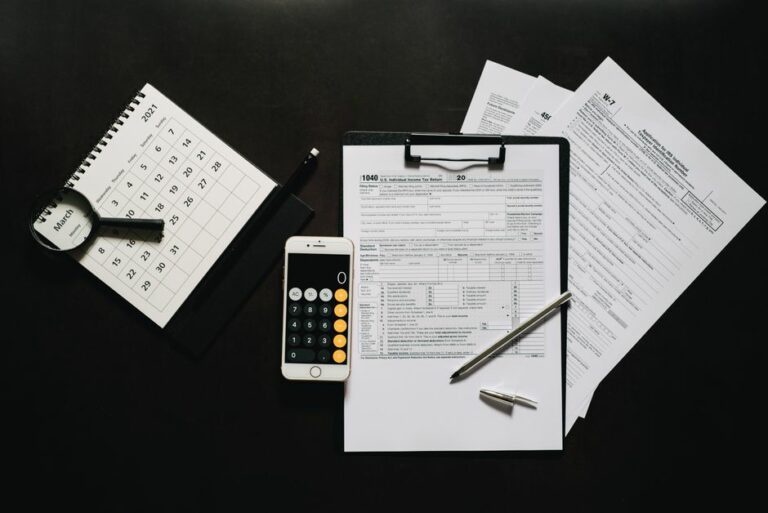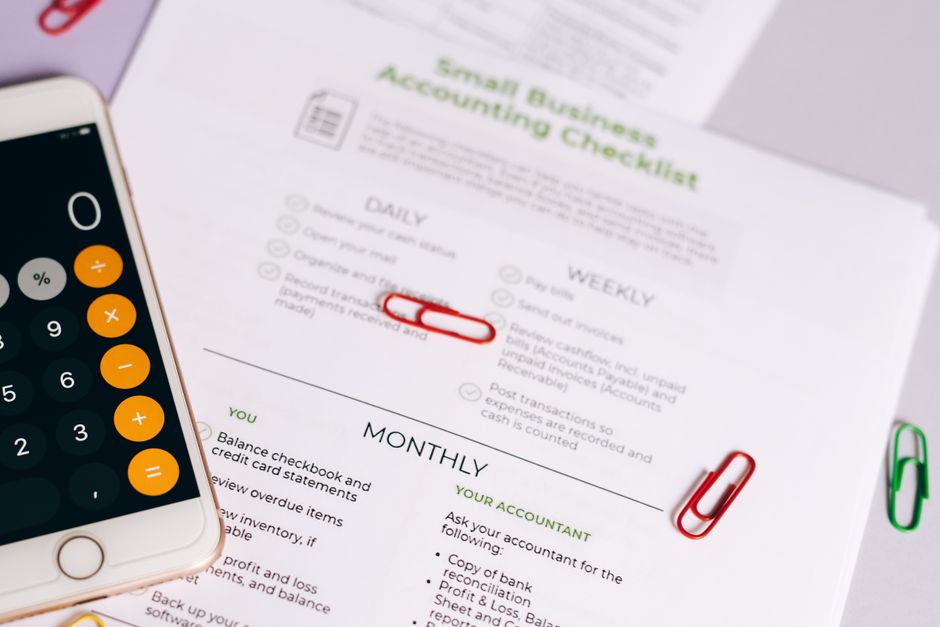
Photo by: Leeloo The First via Pexels
TL;DR: Establishing a standardized accounts payable process is critical for preventing corporate payment fraud and optimizing operational working capital. From supplier onboarding and three-way matching to automated digital approvals and banking reconciliation, each workflow stage must combine technological speed with strict internal controls. Transitioning away from paper-based processing to structured, automated pipelines reduces manual exception rates, protects cash liquidity, and secures strategic early payment discounts.
The short answer is that a structured accounts payable process acts as the financial shield for a company’s short-term liabilities and supplier networks. When managed manually, this critical process consumes excessive time and resources, incurring a global average processing cost of $12.88 to $19.83 per invoice, according to a March 2026 report by Gennai. For businesses aiming to protect capital and streamline operations, transition to a modern accounts payable process is not a cosmetic upgrade; it is an operational necessity.
Traditional workflows are highly prone to human error, duplicate data entries, and compliance vulnerabilities. Without strict, automated controls, even small finance teams can quickly find themselves drowning in exception resolution. This matters because manual friction directly impairs vendor relations and increases susceptibility to payment fraud. By standardizing the accounts payable process, corporate finance groups can transform a traditional cost center into a strategic business unit.
An operations manager shared a scenario where they accidentally routed an ACH payment through Bank of America to the wrong consultant. The error went unnoticed for four weeks, and the recipient stopped returning calls—leaving the company with few recourse options other than initiating a formal bank recall or pursuing legal recovery.
Reddit r/Accounting
- Procurement and vendor onboarding: The foundation of AP
- Centralized invoice receipt and data extraction methods
- The matching process: Enforcing two-way and three-way checks
- Approval routing and general ledger coding workflows
- Payment execution: Balancing cost, security, and cash flow
- Bank reconciliation and maintaining clean audit trails
- Frequently asked questions
Procurement and vendor onboarding: The foundation of AP
The standard is clear; the application is not. While many think accounts payable begins with the arrival of a bill, in practice, the accounts payable process begins with vendor verification. Collecting IRS Form W-9 (or W-8BEN for foreign suppliers) and validating banking routing codes are critical steps before a company issues its first purchase order. Skipping this gatekeeping step is an open invitation to billing errors and bank routing mistakes that take months to resolve.
Once a supplier is verified in the system, procurement generates a formal Purchase Order (PO) based on an authorized purchase requisition. The PO documents the specific quantities, agreed unit pricing, delivery schedules, and credit terms (e.g., Net 30 or Net 60). Copies are sent simultaneously to the vendor and logged directly into the company’s Enterprise Resource Planning (ERP) platform. This establishes a legally binding contract and sets the baseline for all future audits. Without a structured PO workflow, your accounting department is forced to operate retrospectively, which degrades your ability to execute a reliable forecast cash flow for a growing company.
Centralized invoice receipt and data extraction methods
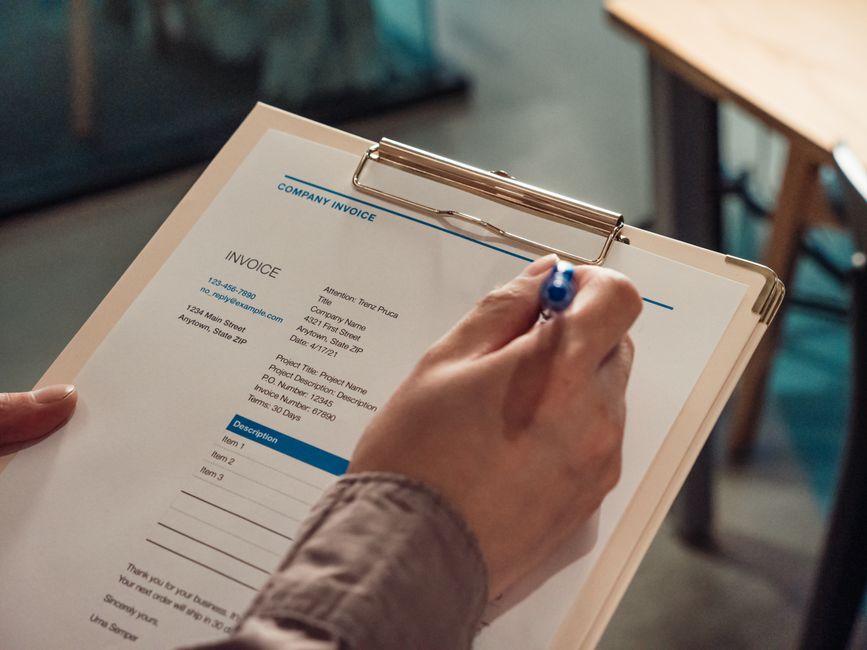
Invoices enter corporate ecosystems through multiple pathways, including postal mail, EDI gateways, and supplier portals. To prevent lost documents, modern organizations establish a centralized invoice intake model. This forces all vendors to send billing documents to a single dedicated email address (e.g., invoices@company.com), eliminating the risk of invoices sitting unaddressed on a remote employee’s desk.
Once received, the invoice details must be ingested into the accounting software. Manual data entry is highly susceptible to human typo errors. Modern AP departments deploy Intelligent Document Processing (IDP) systems powered by Optical Character Recognition (OCR) to extract billing metadata. According to Ardent Partners’ Accounts Payable 2026: Big Trends and Predictions report, advanced AI data capture systems can reduce invoice exception rates down to a baseline of 14%, accelerating processing timelines significantly. You can read more about how accounting firms using AI are deploying these workflows in our detailed research report. However, automation that skips the review step is not automation – it’s risk transfer. The liability doesn’t disappear because a machine made the entry. Someone still has to own the output. The firms that understand this build review into the workflow. The firms that don’t are building a future audit finding.
The matching process: Enforcing two-way and three-way checks
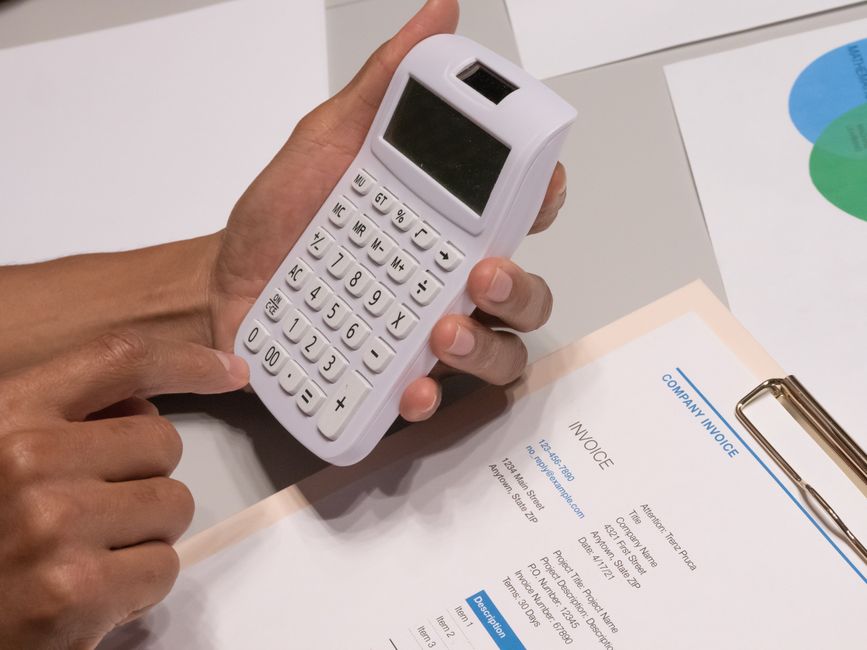
Before authorizing an invoice for payment, accounts payable professionals must verify that the billed items match the physical goods ordered and received. This verification is executed via structured matching algorithms. Matching invoices is not exciting, but neither is explaining to an auditor why you paid for 500 widgets and received 50.
Two-way matching compares the supplier invoice against the original PO. It is primarily reserved for recurring service contracts, digital subscriptions, or utility bills where physical receipt documents do not apply. Conversely, for physical inventory and manufacturing assets, organizations mandate a strict three-way matching workflow. The AP specialist or automation system compares three key documents: the supplier invoice, the purchase order, and the receiving log (packing slip).
       [ Purchase Order ] ─── (Quantities & Prices Ordered)
               │
               ├───► [ Three-Way Match ] ───► [ Approved Invoice ]
               │
       [ Receiving Log ]  ─── (Quantities Actually Delivered)
               │
     [ Supplier Invoice ] ─── (Quantities & Prices Billed)
| Matching Type | Documents Compared | Best Used For |
|---|---|---|
| Two-Way Matching | Vendor Invoice, Purchase Order | Subscriptions, recurring services, utilities |
| Three-Way Matching | Vendor Invoice, Purchase Order, Receiving Log | Physical inventory, raw materials, capital assets |
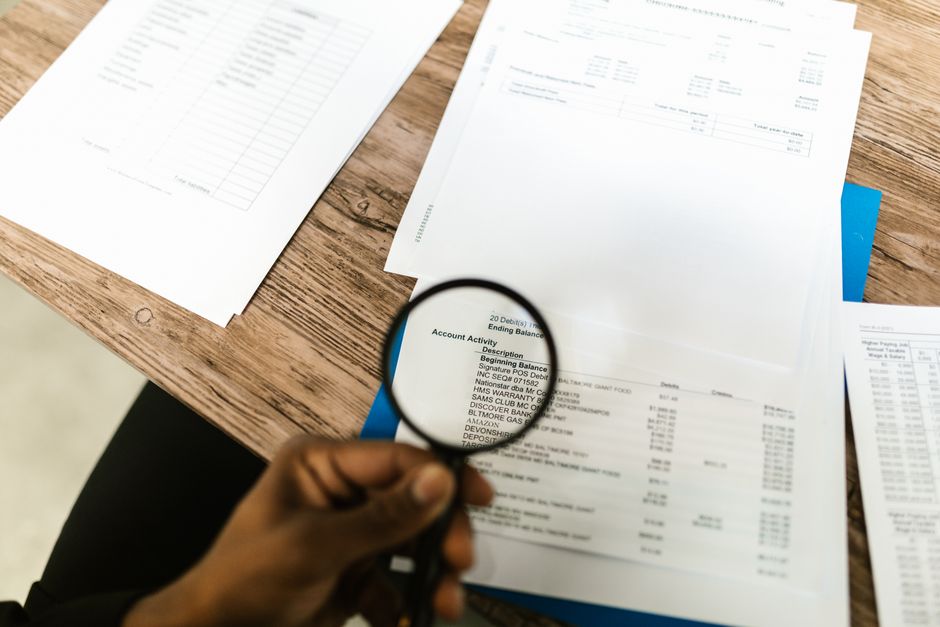
If any line-item variances exceed predetermined thresholds—such as a 5% difference in unit cost—the system flags the invoice as an exception. The document is then routed to a manager for formal dispute resolution. Under current guidance, resolving these exceptions early is crucial to avoid bottlenecks during month-end closing cycles.
Approval routing and general ledger coding workflows
Invoices that successfully pass the matching process require appropriate internal authorization and general ledger mapping. General Ledger (GL) coding ensures that expenses are accurately mapped to the correct accounts. For unmatched or non-PO invoices, AP personnel assign specific accounting codes, cost centers, and department tags to the invoice lines, ensuring expenses are accurately reflected on the corporate profit and loss statement under standard cash vs accrual accounting guidelines.
Once coded, digital approval workflows route the invoice to the departmental manager responsible for the expense. Automated workflow rules automatically escalate high-value invoices to executive leadership based on specific corporate dollar thresholds. For instance, department managers may approve invoices up to $5,000, while CFO approval is required for balances exceeding $50,000. Implementing these tiers prevents unauthorized expenditures and ensures executive visibility over large cash outflows.
Payment execution: Balancing cost, security, and cash flow
Once fully approved, the invoice moves into the payment queue, waiting for processing based on the agreed vendor credit terms. Finance departments balance vendor preference against transaction security and cost efficiency across several payment mechanisms, including ACH transfers, corporate virtual cards, and wire transfers. Paper checks remain a legacy option that modern companies actively phase out—primarily because mailing a physical piece of paper containing your routing and account numbers is the corporate equivalent of leaving your house keys in the front door.
Treasury teams evaluate early payment discounts offered by suppliers, such as a 2% discount if paid within 10 days (“2/10 Net 30”). According to Ardem Partners’ 2026 Benchmark Guide, elite financial operations leverage automated invoice processing to settle bills quickly, allowing them to systematically secure early-payment discounts and avoid late-payment penalties. While these automation steps streamline operations, they do not mean finance teams should operate without oversight; keeping certified professionals in control is essential, as discussed in our look at whether automation is AI replacing accountants.

Bank reconciliation and maintaining clean audit trails
The final phase of the accounts payable process ensures that corporate cash outflows align perfectly with banking records and internal controls. As payments clear the corporate bank accounts, accounting platforms must cross-reference each line item against issued payment files. This reconciles the accounts payable liability sub-ledger with the main general ledger account, closing the loop on outstanding obligations.
Furthermore, a secure audit trail is automatically compiled for every transaction, documenting the entire timeline from the initial PO generation to data capture, manager approval stamps, and bank settlement. Maintaining these records is essential for statutory tax examinations and independent corporate audits conducted by regulatory bodies. A software demo showing “seamless reconciliation” is frequently an exercise in aspirational fiction; the actual deployment usually involves legacy data that requires diligent human verification. In practice, having a clean, unmodifiable audit trail is what prevents regulatory findings and protects corporate assets.

Frequently asked questions
About the Author