
Photo by: RDNE Stock project via Pexels
TL;DR: Accounting process improvement and Standard Operating Procedure (SOP) creation represent the systematic audit, optimization, and formal documentation of recurring financial workflows. By mapping existing bottlenecks, standardizing step-by-step technical execution, and embedding system-enforced compliance controls, corporate accounting teams eliminate human error, reduce month-end close timelines by up to 60%, and establish the necessary operational foundation for autonomous agentic software integrations.
In modern corporate finance, static recordkeeping is no longer sufficient. Methodical accounting process improvement sop creation transforms fragmented, person-dependent task lists into repeatable, audit-ready operational standards. Whether standardizing accounts payable matching or automating complex balance sheet reconciliations, formalizing processes ensures data integrity across general ledgers. The short answer is that process improvement removes operational friction, while SOP creation locks in those gains by defining exact system execution paths for every team member.
- What Is Accounting Process Improvement & SOP Creation?
- Core Frameworks for Accounting Process Optimization
- Step-by-Step Guide to Accounting SOP Creation
- Integrating Internal Compliance Controls and Segregation of Duties
- Managing Exceptions in Operational Accounting Workflows
- Practical Examples of Accounting Process Optimization
- Future Outlook for Autonomous Accounting Workflows (2026–2030)
- Frequently Asked Questions
What Is Accounting Process Improvement SOP Creation? Definition and Scope
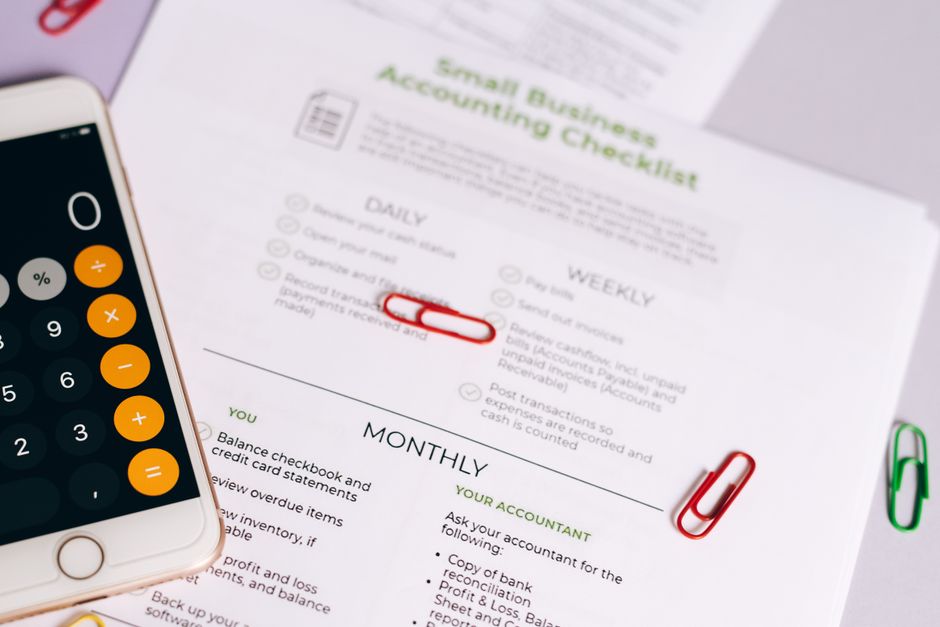
Accounting process improvement is the strategic practice of identifying, analyzing, and refining financial workflows to eliminate waste, lower transaction costs, and enhance reporting accuracy. SOP creation is the formal documentation phase that establishes standardized step-by-step instructions for executing those refined tasks. Together, they create an operational blueprint that prevents institutional knowledge from disappearing when staff turn over. Understanding how data moves through corporate software forms the core of an effective accounting information system.
Process improvement focuses on *how work should be designed*, whereas SOP creation codifies *how work must be executed*. A 40-page PDF manual stored in a forgotten directory is not an effective SOP; it is documentation acting as wallpaper. True standard operating procedures function as active desktop reference tools that specify software navigation paths, transaction codes, approval thresholds, and input validation rules.
A senior accountant on Reddit described taking over a month-end close process that relied on 45 manual spreadsheet steps passed down orally. After recording video walkthroughs and building a centralized SOP checklist with clear task ownership, the accounting team cut their monthly close cycle from 9 business days to 4 business days while eliminating late-night reconciliation fire drills.
Reddit r/Accounting
Core Frameworks for Accounting Process Optimization
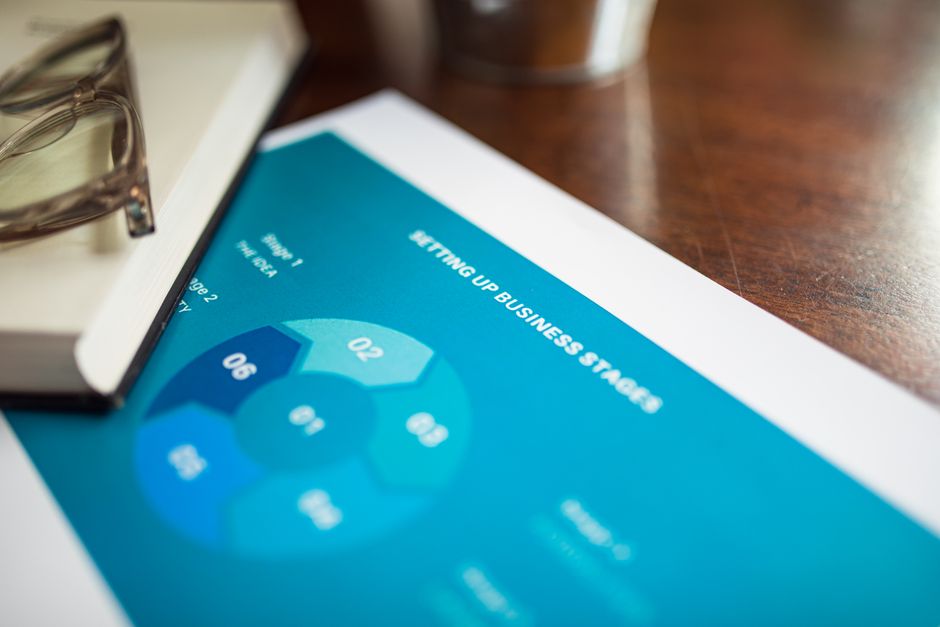
Optimizing accounting operations requires proven industrial management methodologies tailored to financial data flows. Corporate controllers primarily rely on three established frameworks to restructure department tasks:
- Lean Accounting: Focuses on identifying and removing non-value-added activities, such as redundant spreadsheet copy-pasting, unnecessary physical signature approvals, and duplicate data entry.
- Six Sigma (DMAIC): Applies a five-stage structured methodology—Define, Measure, Analyze, Improve, Control—to reduce error rates in high-volume transaction environments like accounts payable and billing.
- Business Process Reengineering (BPR): Involves fundamentally redesigning workflows from the ground up, typically executed alongside enterprise resource planning upgrades as explored in our comparison of Business Central vs QuickBooks.
According to a July 2026 small-business insight study published by the AICPA & CIMA, finance departments that execute formal process mapping reduce manual data-reentry errors by an average of 42% within the first six months of implementation. Eliminating routine manual processing errors directly mitigates systemic exposure to common accounts payable errors.
Step-by-Step Guide to Accounting SOP Creation

Creating audit-ready accounting documentation requires a standardized layout. Every Standard Operating Procedure produced within a finance department should follow four structured components to maintain consistency across modules:
1. Document Metadata Header
Every SOP must begin with standardized administrative metadata defining ownership and system boundaries:
| Metadata Field | Specification Example |
|---|---|
| Process Title | Fixed Asset Depreciation & Capitalization Run |
| Document ID | SOP-FIN-FA-004 |
| Effective Date / Version | July 23, 2026 / Version 3.2 |
| Process Owner | Fixed Asset Accounting Manager / Controller |
| Required System Access | SAP S/4HANA Fixed Asset Module (Role: FA_MAIN_02) |
2. Direct, Action-Oriented Instructions
SOP prose must be exact and unambiguous. Avoid vague instructions like “check invoices periodically.” Instead, specify precise triggers, software transaction codes, and numerical tolerances:
- Weak Phrasing: “Review open vendor bills and clear discrepancies before the weekly payment run.”
- Standardized SOP Phrasing: “Extract the Open Accounts Payable Report in SAP using Transaction Code FBL1N every Tuesday at 10:00 AM EST. Filter by ‘Due Items.’ If an invoice price variance exceeds 2% or $500 USD, route the item directly to Procurement via the ticketing system.”
Integrating Internal Compliance Controls and Segregation of Duties

SOP creation is not merely an administrative exercise; it is a foundational internal control requirement. Under Sarbanes-Oxley (SOX) Section 404 guidelines, external auditors evaluate whether documented procedures enforce proper segregation of duties. An effective SOP explicitly delineates user permissions between transaction initiation, approval, and final ledger posting.
Automation that skips the review step is not automation—it is risk transfer. The liability does not disappear simply because a script processed the journal entry. Someone still has to own the output. The firms that understand this build mandatory review gates directly into their automated SOP workflows. Establishing clear operational roles reinforces overall execution across the importance of accounting in business governance.
Managing Exceptions in Operational Accounting Workflows

Operational accounting workflows rarely run perfectly 100% of the time. Unhandled exceptions—such as a vendor invoice lacking a purchase order or an un-reconciled wire transfer—are where financial bottlenecks accumulate. High-quality SOPs dedicate explicit sections to exception handling protocols.
Documenting escalation paths, acceptable tolerance limits, and secondary contact points prevents unassigned items from sitting in suspense accounts. For instance, when regulatory guidelines change—such as the software accounting exposure updates released by the Financial Accounting Standards Board (FASB) in September 2025—SOP exception rules dictate how teams reclassify internal software development costs between operating expenses and capitalized assets.
Practical Examples of Accounting Process Optimization

Examining real-world operational transformations illustrates how process improvement and SOP documentation drive quantitative gains across finance departments.
Example 1: Accounts Payable Invoice Processing
- Legacy Process: Junior accountants manually download PDF email attachments, print physical paper copies, enter header data manually into ERP screens, and physically walk documents to manager desks for sign-off. Average cycle time: 14 business days. Processing cost: $12.50 USD per invoice.
- Optimized Process: Invoices route to a centralized inbox where optical character recognition software extracts line-item data. The system automatically executes a three-way match against purchase orders and receiving logs. Cleared items bypass manual review and queue for payment automatically.
- Quantitative Outcome: Cycle time drops from 14 days to 2 business days; processing costs fall below $3.00 USD per invoice.
Example 2: Month-End Balance Sheet Reconciliations
- Legacy Process: General ledger account owners independently extract trial balances into individual desktop spreadsheets, cross-reference bank statements manually, and save un-versioned files across local drives. Average close timeline: 8 business days.
- Optimized Process: Deployment of specialized close-management software connected directly to banking APIs. The system automatically reconciles 95% of routine transactions at midnight and flags remaining variances for staff review via standardized digital SOP checklists.
- Quantitative Outcome: Month-end close timeline shrinks from 8 business days to 3 business days.
Future Outlook for Autonomous Accounting Workflows (2026–2030)

The trajectory of accounting operational design is shifting toward autonomous execution. A technology briefing published by CPA.com and the AICPA in December 2025 highlights that enterprise software investments are transitioning from basic robotic process automation (RPA) into autonomous agentic workflows.
Over the next five years, standard operating procedures will evolve from human-readable reference documents into machine-executable software logic. Instead of an accountant following an SOP to post journal entries, AI agents will execute routine processes continuously in the background. As documented in our research on accounting firms using AI in 2026, human professionals will shift focus toward supervising exceptions, refining compliance rules, and interpreting strategic margins.
Frequently Asked Questions
Methodical process optimization and structured SOP documentation turn routine bookkeeping into an efficient operational core. Software automates the individual steps; standard operating procedures make sure you’re automating the right ones.
About the Author