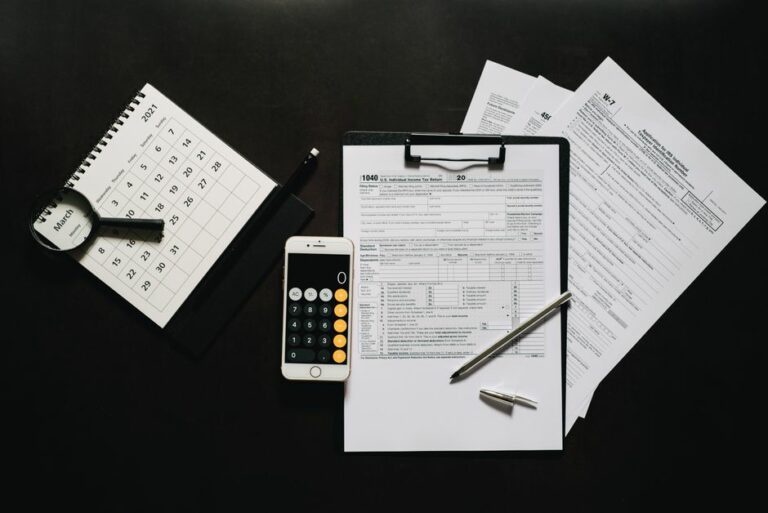
Photo by: www.kaboompics.com via Pexels
TL;DR: Common accounts payable errors—such as duplicate payments, transpositions, and line-item discrepancies—cost enterprises an average of $53 USD per manual correction and expose firms to vendor fraud that drains 1.5% of annual revenue. Finance departments can prevent these errors by implementing three-way matching, conducting regular vendor master data audits, and deploying dedicated accounts payable automation software.
Managing a corporate ledger is a study in precision. Yet, in many accounting departments, manual invoice processing remains the norm, introducing a high volume of human errors that damage vendor relationships and disrupt cash flow. Identifying and eliminating these common accounts payable errors is essential for protecting business capital and scaling operations. Whether it is an invoice processed twice across different branches or a transposed digit that skews month-end reconciliations, the cost of manual workarounds is far higher than most finance leaders realize.
This matters because the leaks are often silent. A single payment processed twice might not trigger an immediate alert, but over a fiscal year, these inefficiencies accumulate. In practice, establishing control over the accounts payable process requires moving away from the “pay first, audit later” mentality and building preventative controls directly into the ERP workflow.
- Duplicate Payments: The Most Common Accounts Payable Errors
- Typographical and Data Entry Inaccuracies: The Transposition Trap
- Processing Discrepancies: Resolving the Three-Way Matching Gap
- Missed Early-Payment Discounts: Leaving Margin on the Table
- Vendor Fraud and Phantom Suppliers: Mitigating Business Email Compromise
- How to Prevent Accounts Payable Errors: Modern Controls and Automation
- Frequently Asked Questions
Duplicate Payments: The Most Common Accounts Payable Errors

Paying the same vendor invoice twice remains a prominent financial issue. This occurs when an enterprise receives an invoice via multiple channels, such as email and postal mail, and processes each version through a different department. Without centralized control, the same vendor code can be assigned to different entities within the ERP, which allows both payments to process successfully.
In many offices, the lack of a standardized invoice intake protocol creates a fragmented system where an invoice is forwarded to multiple people, and two separate departments authorize the check. This is not just a theoretical problem; the administrative hours spent chasing refunds or managing credits can derail an entire accounting cycle.
An investigator on Reddit r/Accounting described finding an accounts payable department where clerks routinely bypassed duplicate invoice flags by appending asterisks to duplicate invoice numbers, resulting in the same vendors being paid multiple times via check and credit card.
Reddit r/Accounting
This asterisk workaround is a classic example of human intervention undermining system controls. The clerk was trying to “force” the transaction through because the system told them it was a duplicate, and they assumed the system was simply being difficult. It was a brilliant workaround, provided your goal is a restatement and an uncomfortable conversation with the auditors.
Typographical and Data Entry Inaccuracies: The Transposition Trap

Manual data entry remains highly vulnerable to data entry errors. Transposing numbers in an invoice field (e.g., typing $9,510 USD instead of $9,150 USD) alters financial registers, skews cash projections, and forces teams into tedious reconciliations. When an invoice is processed manually, the clerk must key in the invoice number, the vendor name, the line-item amounts, and the tax details, creating multiple points of failure.
According to research published by GenAI, correcting a single manual accounts payable error costs an average of $53 USD in administrative rework. This calculation includes the labor hours required to locate the error, contact vendors, adjust the ERP ledger, and reissue correct payments. If a department processes thousands of invoices a month, even a 1% error rate creates a substantial administrative tax.
I have read software implementation guides that claim to solve this in three clicks. If that were true, accounts payable departments would not be the biggest source of stress-induced coffee consumption in the building. In practice, the transposition errors are often caught only during the account reconciliation steps, which means the error has sat in the general ledger for weeks, distorting interim financial reports.
Processing Discrepancies: Resolving the Three-Way Matching Gap

Discrepancies often emerge between the invoice, the internal Purchase Order (PO), and the physical receiving log. If a distributor in Frankfurt bills for 500 units of a component but the warehouse logs only 450 units, processing the invoice without verification results in overpayment. This is known as a three-way matching gap, and it is a common leak in supply chain accounting.
When procurement, receiving, and accounts payable operate in silos, there is no single source of truth. The purchasing department issues a PO based on a quote, the vendor ships what they have available, the warehouse receives it, and the invoice arrives weeks later. Without a system that automatically cross-references these three touchpoints, the accounts payable team is left to assume the invoice is correct. They pay the full amount, and the company effectively buys 50 units of air.
This is where standard bookkeeping practices fall short. Unless the ERP forces a validation step, there is no natural trigger to check the receiving log before releasing a payment. In practice, resolving these discrepancies manually requires email chains, phone calls to the warehouse, and vendor disputes that slow the close cycle down by days.
Missed Early-Payment Discounts: Leaving Margin on the Table

Failing to capture optimal terms cuts directly into a firm’s bottom line. A study by Deloitte on Automatic Invoice Processing revealed that automated AP teams capture 75% more early payment discounts than teams relying on manual tracking. Missing these windows or paying late damages supplier goodwill and triggers late fees.
Standard vendor terms like 2/10 Net 30 are effectively a low-risk, high-return investment opportunity for the buying organization. Paying 20 days early for a 2% discount is equivalent to a 36% annualized return. Yet, when invoices sit on managers’ desks awaiting manual signature, the discount window closes long before the check can be cut. The company is left paying full price because its internal approvals are too slow.
This issue is often ignored because it does not appear as a direct error on the balance sheet. It is a missed opportunity, an invisible tax on manual operations. If the accounting team is constantly put in a reactive position—reconciling past errors rather than managing cash flow—they will never have the visibility required to capture these terms.
Vendor Fraud and Phantom Suppliers: Mitigating Business Email Compromise

Weak internal controls expose companies to targeted fraud schemes, including fake vendor scams and Business Email Compromise (BEC). A market overview by Gartner found that mid-sized and large enterprises lose an average of 1.5% of their annual revenue to vendor fraud when using outdated verification systems. When accounts payable procedures lack strict verification for bank detail changes, fraudsters can intercept invoices and redirect funds to fraudulent accounts.
The threat is not just external. Weak segregation of duties allows for internal fraud, where a single employee can create a fake vendor in the master file and approve payments to that entity. This is why regular reviews of the vendor database are critical for risk mitigation. If anyone with ERP access can create a vendor profile without a manager’s sign-off, the control environment is effectively non-existent.
Automation that skips the review step is not automation—it’s risk transfer. The liability doesn’t disappear because a machine made the entry. Someone still has to own the output. The firms that understand this build review into the workflow. The firms that don’t are building a future audit finding. Relying on software to blindly approve payments without human oversight is a compliance failure waiting to happen.
How to Prevent Accounts Payable Errors: Modern Controls and Automation

Eliminating invoice errors requires a strategic mix of strict policy enforcement and smart technology upgrades. Implementing these three key preventative strategies can safeguard corporate capital and transition the finance department into a modern, controlled operation.
First, deploying comprehensive three-way matching is essential. This process verifies that information aligns perfectly across the Purchase Order, the Goods Receipt Note, and the Supplier Invoice before any payment is authorized. Modern accounts payable automation software flags discrepancies instantly, giving the accounting team a chance to resolve errors before cash leaves the business.
Second, organizations must restructure and audit vendor master data. A routine vendor master data audit helps identify duplicate profiles, confirm correct tax identification numbers, and archive inactive vendor accounts. Establishing strict controls over who can create or modify vendor files prevents duplicate records (such as “Acme Inc.” and “Acme Services”) from bypassing duplicate-payment filters.
Finally, transitioning to dedicated cloud accounts payable automation software is the only way to scale without error. Market data from Grand View Research shows the global accounts payable automation market is projected to reach $4.2 billion USD in 2026, growing to $7.0 billion USD by 2030. Top-tier platforms recognized in the Gartner Magic Quadrant—such as Basware, Coupa, and Esker—use artificial intelligence and optical character recognition (OCR) to read invoices, match line items, and route approvals without manual intervention.
This operational shift is not just about reducing paper; it is about establishing a secure, scalable control environment. When these tools are integrated with your ERP, the accounts payable team transitions from data entry clerks to exceptions managers, focusing their attention only on the transactions that flag an anomaly.
Frequently asked questions

Protecting business capital requires a proactive plan to eliminate common accounts payable errors. Manual data entry and loose verification checks consistently lead to duplicate payments, costly late fees, and vulnerability to vendor fraud. By upgrading to enterprise-grade accounts payable automation systems, establishing strict three-way matching protocols, and running regular master data audits, finance leaders can transform their AP departments into highly accurate operations. Eliminating manual workflows protects cash flow, strengthens supplier relationships, and builds a secure foundation for long-term growth.
About the Author